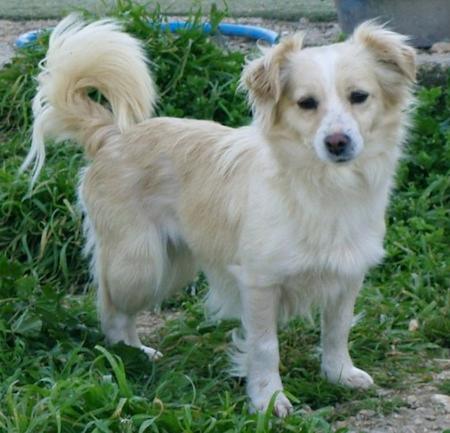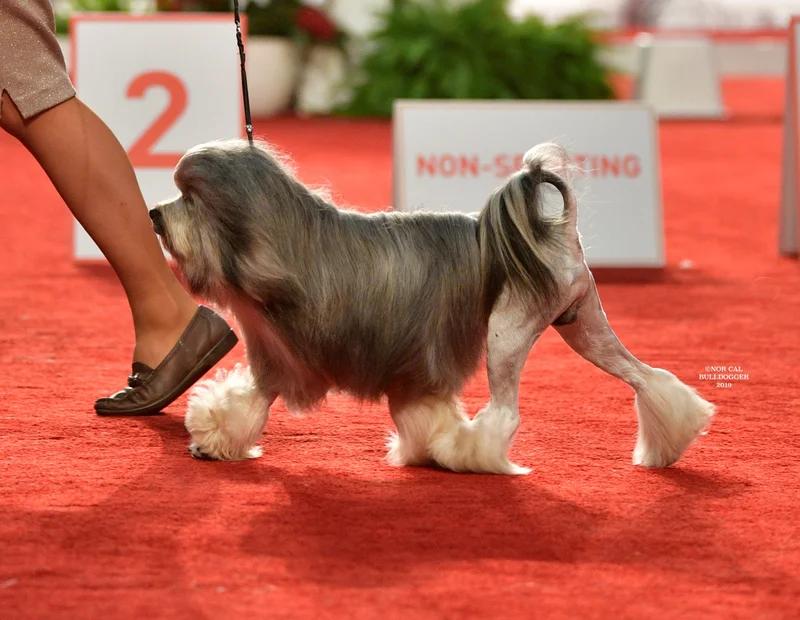
Daily rhythm
Lower-key days
This breed is more likely to fit a steadier routine than an all-action household, as long as walks and enrichment still happen.
30 min/day · energy 3/5
Loading breed guide
Also known as: Mexican Techichi, Techichi, Techichi Dog
The Techichi is a small, affectionate breed from Mexico, known for its loyalty and adaptability. Ideal for families, they thrive on companionship and moderate exercise.
Good fit for: family homes, apartments or smaller spaces, and first-time owners who will train consistently.
Worth knowing: Use the quick answer and key facts below to judge daily fit, care load, and tradeoffs before you shortlist this breed.
Quick answer
Scan these points first, then read the care, health, and temperament sections below for the fuller picture.
Treat these as breed tendencies, not guarantees. Training, environment, health, and the individual dog still shape the real experience.
Use these facts as a fast reality check, then read the care, temperament, and health sections before deciding whether the breed fits your day-to-day life.
Owner snapshot
A plain-English read of real routines: walks, noise, cleanup, training, kids, and other pets.
This breed is more likely to fit a steadier routine than an all-action household, as long as walks and enrichment still happen.
30 min/day · energy 3/5
Techichi sits in the middle for home fit, so schedule, training, noise tolerance, and outdoor access matter more than the label.
apartment 4/5 · barking 3/5
Techichi looks like a lighter home-cleanup pick, though brushing and coat checks still matter.
shedding 2/5 · grooming ease 4/5
Techichi looks promising for families, children, other pets, and newer owners, which makes it easier to consider for busy households.
family 5/5 · pets 4/5
Fit compass
Use these as starting points, not promises. They point to where this breed may feel easier at home, and where your routine needs a plan.
Busy-household friendly
strong child-friendly fit (4/5) · strong other-pet fit (4/5)
Easier first-month training
easier training fit (4/5)
Lighter cleanup rhythm
lighter shedding tendency (2/5) · easier coat care (4/5)
Nothing here points to one major care spike, but training, grooming, and exercise still deserve a real routine.
Jump to
Where to go next
Follow the thread that matches how you are deciding: compare a close breed, read a relevant guide, or widen the shortlist from here.
One of the standout traits of the Techichi is its affectionate nature. They thrive on human interaction and are known to be very loyal to their families.
Their playful demeanor makes them excellent companions for children, as they enjoy games and activities that involve their owners. Techichis are also quite intelligent, which allows them to learn commands and tricks easily.
However, their stubbornness can sometimes pose a challenge during training, so patience and consistency are key. Their adaptability to various living environments, including apartments, makes them suitable for many families.
The Techichi is a small, affectionate breed with a rich history rooted in ancient Mexico. Known for their loyalty and companionship, these dogs have been cherished by families for centuries. With a moderate exercise requirement of 30 to 60 minutes daily, Techichis thrive on walks, playtime, and interactive games that stimulate their minds.
Their adaptability makes them suitable for various living environments, from apartments to homes with small yards. In terms of personality, Techichis are known for their friendly and playful nature. They bond closely with their families and are generally good with children and other pets, making them excellent companions.
However, they do require early socialization and consistent training to prevent behavioral challenges such as separation anxiety and stubbornness. Grooming is relatively low-maintenance, with regular brushing to keep their coat healthy and free of tangles. Techichis are also known for their moderate barking tendencies, alerting their owners to visitors or unusual sounds.
Overall, the Techichi is a delightful breed that brings joy and companionship to any household. Their unique history, combined with their loving nature, makes them a special addition to families looking for a loyal and engaging pet.
Techichis are often referred to as the 'Mexican Hairless Dog' due to their historical significance in Mexican culture.
Techichis were believed to have healing powers and were often buried with their owners in ancient times.
They are known for their unique vocalizations, which can include a variety of barks and howls.
Explore related filters
Pick your next read
These are selected from the care and home-fit themes on this profile, so the next article answers a real ownership question instead of sending you to a generic blog list.
Health & Science
Useful before assuming lower-shedding means allergy-safe.
Read guideLiving With Dogs
Helps translate space, exercise, and indoor routine into a realistic home fit.
Read guideBehavior & Psychology
Good context for why breed jobs still show up in daily behavior.
Read guideThe Techichi is known for its friendly and affectionate temperament. They are generally calm and enjoy spending time with their families. This breed is playful and energetic, making them great companions for children and active households.
Techichis are typically good with other pets, especially if socialized early. They can be protective of their families but are not aggressive. Their intelligence and eagerness to please make them relatively easy to train, though they may exhibit some stubbornness.
Overall, Techichis are loving, loyal, and adaptable dogs that thrive in a family environment.
Techichis are known for their friendly and affectionate nature. They form strong bonds with their families and are often very loyal companions.
This breed is playful and enjoys interactive games, making them great pets for families with children. They are generally good with other pets, especially if socialized from a young age.
Techichis can be alert and may bark to alert their owners of strangers, but they are not typically aggressive. Their intelligence allows them to learn commands quickly, though they can also be a bit stubborn at times, requiring consistent training and positive reinforcement.
Techichis have a moderate noise level. They may bark to alert their owners of visitors or unusual sounds, but they are not excessive barkers.
Their vocalizations can vary, and they may express themselves through a range of sounds, including playful barks and howls. It's important for owners to train their Techichi to minimize unnecessary barking, especially in apartment settings where noise can be an issue.
Overall, they are alert and will communicate when necessary, but they are not known for being overly vocal.
Big-hearted and highly social - here's how it shows up day to day.
Moderate, steady energy - great for matching your routine.
Moderately talkative - a quick read on noise at home.
The Techichi, a small and lively breed, requires moderate daily exercise to maintain its physical and mental well-being. Ideally, they should engage in at least 30 to 60 minutes of exercise each day. This can include brisk walks, playtime in a secure yard, or interactive games that stimulate their minds.
Due to their small size, they can adapt well to apartment living, but it's crucial to ensure they get enough physical activity to prevent boredom and potential behavioral issues. Activities like fetch, agility training, or even short hikes can be beneficial. Puppies and senior dogs may require less intense exercise, while adult Techichis thrive on regular, varied activities.
Insufficient exercise can lead to weight gain, anxiety, and destructive behaviors, making it essential for owners to prioritize their exercise needs.
Techichis are adaptable and can thrive in various living environments, including apartments and homes with small yards. They do not require extensive outdoor space, but a secure area for play is beneficial.
Owners in smaller spaces should ensure their Techichi receives regular walks and mental stimulation to prevent boredom. Their small size means they can comfortably live in confined spaces, but they still need opportunities for exercise and social interaction to remain happy and healthy.
Techichis may have specific dietary needs based on their size and activity level. It's important to provide high-quality dog food that meets their nutritional requirements.
Some Techichis may be prone to food sensitivities, so monitoring their reactions to new foods is essential. Regular veterinary check-ups can help identify any specific dietary needs or adjustments.
The Techichi has a short coat that requires minimal grooming. Regular brushing, at least once a week, helps to remove loose hair and keep the coat healthy.
Bathing should be done as needed, typically every few months or when they become dirty. Regular nail trimming and dental care are also important to maintain overall health.
Owners should check their ears regularly for dirt and wax buildup, cleaning them as necessary to prevent infections.
Brush weekly, bathe as needed (every few months), trim nails every 2-4 weeks.
Regular veterinary care is crucial for the Techichi's lifespan. Routine check-ups, vaccinations, and preventive treatments can help detect health issues early and maintain overall health. Owners should also monitor their dog's weight and dental health, as these factors significantly influence longevity.
Genetics play a significant role in the Techichi's lifespan, with certain hereditary health issues being more prevalent in the breed. Responsible breeding practices can help minimize the risk of genetic disorders. Potential owners should seek reputable breeders who conduct health testing and prioritize genetic diversity to ensure healthier puppies.
Techichis thrive in environments that provide regular social interaction and moderate exercise. Living in a stable, loving home with access to outdoor space for play can positively impact their lifespan.
Exposure to stressful situations or neglect can lead to anxiety and health issues, potentially shortening their lifespan. Owners should ensure their Techichi has a safe and engaging environment to promote longevity.
Veterinarians typically diagnose patellar luxation through physical examination and X-rays.
Surgical intervention may be necessary in severe cases, along with physical therapy.
Maintain a healthy weight and provide joint supplements as recommended by a veterinarian. Regular vet check-ups can help monitor joint health.
Veterinarians diagnose dental issues through oral examinations and X-rays.
Professional dental cleaning and possible extractions.
Regular dental care, including brushing and professional cleanings, can help prevent dental problems.
Veterinarians diagnose obesity through weight assessments and body condition scoring.
Weight management plans, including diet and exercise adjustments.
Provide a balanced diet and regular exercise to maintain a healthy weight.
Annually, or as recommended by a veterinarian.
Evaluates the dog's knee joints for luxation and other abnormalities, important for maintaining mobility and comfort.
Every 6-12 months, depending on the dog's dental health.
Assesses dental health, including gum disease and tooth decay, to prevent serious health issues.
Annually, or as recommended based on age and health status.
Monitors overall health and identifies potential issues early, ensuring the dog remains healthy throughout its life.
Techichis have a moderate work drive, as they were primarily bred for companionship rather than specific tasks. However, they do enjoy engaging activities that challenge their minds and bodies.
Activities such as agility training, obedience classes, and interactive play can help satisfy their need for mental stimulation. Without adequate engagement, they may become bored and exhibit undesirable behaviors.
Owners should aim to provide a variety of activities to keep their Techichi mentally and physically active.
Techichis can exhibit some behavioral challenges, particularly if not properly socialized or trained. Common issues include separation anxiety, excessive barking, and stubbornness during training.
To overcome these challenges, early socialization and consistent training are crucial. Engaging them in positive reinforcement training methods can help address stubbornness and encourage good behavior.
Providing mental stimulation through puzzle toys and interactive games can also alleviate anxiety and prevent destructive behaviors. It's important for owners to establish a routine and set clear boundaries to help their Techichi feel secure and well-adjusted.
Training a Techichi requires patience and consistency. Positive reinforcement techniques, such as treats and praise, work best for this breed.
Start with basic commands like sit, stay, and come, gradually introducing more complex tasks as they learn. Socialization is key; expose them to various environments, people, and other animals from a young age to build their confidence.
Short, engaging training sessions are ideal, as Techichis can become bored with lengthy practices. Incorporating play into training can also enhance their learning experience and keep them motivated.
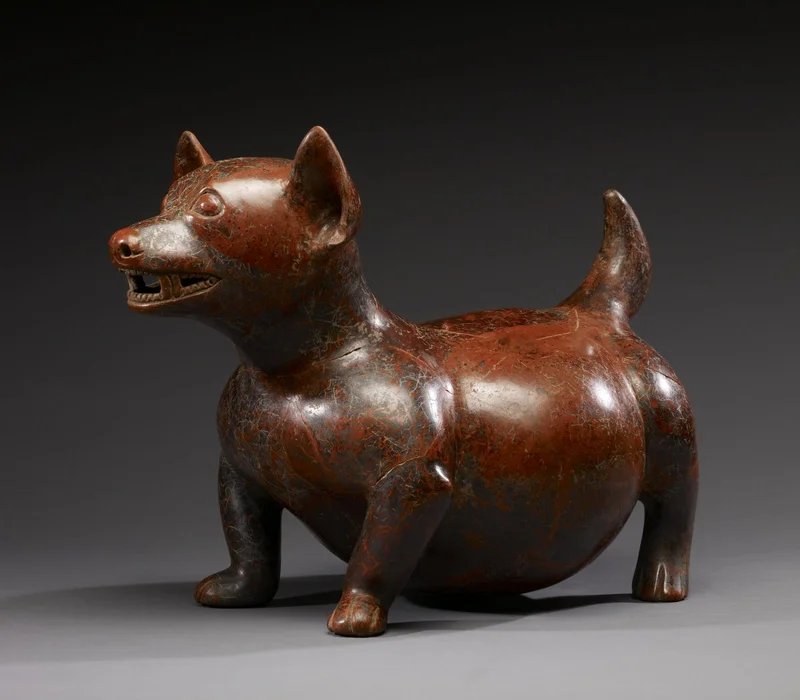
The Techichi's origin can be traced back to ancient Mexico, where it was revered by the Toltecs as a sacred companion. These small dogs were often depicted in pottery and stone carvings, showcasing their importance in Toltec society.
As the Aztecs rose to power, they adopted the Techichi, further embedding the breed into Mexican culture. The Techichi was not only a beloved pet but also served as a spiritual guide in the afterlife, believed to accompany their owners on their journey.
Despite facing challenges during the Spanish conquest, the breed has persevered, thanks to the efforts of dedicated breeders who recognized its historical significance and worked to preserve its lineage.
The Techichi's history dates back to pre-Columbian times, where it was bred by the Toltecs and later adopted by the Aztecs. Initially, they served as companions and were believed to have spiritual significance.
Over time, the breed faced decline due to the Spanish conquest and the introduction of other dog breeds. However, dedicated breeders have worked to revive the Techichi, maintaining its unique characteristics and temperament.
Today, the breed is recognized by various kennel clubs and continues to be cherished as a companion dog.
Historically, the Techichi served as a companion dog for the Toltecs and Aztecs, often accompanying their owners in daily life and spiritual practices. They were believed to possess healing abilities and were sometimes used in rituals.
In modern times, the Techichi has transitioned into a beloved family pet, known for its affectionate nature and loyalty. They excel in companionship roles and are often seen as ideal pets for families and individuals seeking a small, loving dog.
The Techichi is a breed with deep historical roots in Mexico, believed to have been kept by the ancient Toltec civilization. These small dogs were often associated with the spiritual beliefs of the Toltecs and were thought to have healing powers.
They were companions to the nobility and were often depicted in ancient artifacts. The breed has cultural significance as a symbol of companionship and loyalty, and it is recognized as a part of Mexico's rich heritage.
In modern times, the Techichi has gained popularity as a family pet, cherished for its affectionate nature and adaptability.
The breed exists today and isn’t classified as extinct.
Less widespread; more likely to be region-specific or niche.
This breed is less common but has stable populations in certain regions.
Questions people ask most
The Techichi can work in an apartment if exercise and routine stay consistent. It is often manageable in smaller spaces, but it is not a low-effort fit.
The Techichi generally sheds less than average. While no breed is truly hypoallergenic, this one often works better for households that want less loose hair.
The Techichi is generally easier to train than average. With clear routines and positive reinforcement, many owners find the breed responsive and cooperative.
The average lifespan of a Techichi is 12 - 15 years. Genetics, diet, exercise, and routine veterinary care all affect how long an individual dog may live.
The Techichi generally does well with children. The best results still come from supervision, respectful handling, and teaching both dog and child how to interact well.
This profile lists around 30 minutes a day as a broad planning estimate. A mix of walks, play, and mental enrichment can help with daily planning for the Techichi. Adjust activity for the individual dog’s age, health, fitness, and weather. Ask your vet about a suitable routine, especially for puppies, older dogs, or dogs with health conditions.
The Techichi generally does well with other pets, especially when introductions are calm and socialization starts early.
These answers describe breed tendencies, not guarantees. Breeding, training, environment, and health history still shape the real dog in front of you. For general activity advice, see PDSA’s exercise guidance.
Similar breeds
If you like the Techichi, start with these strongest matches for temperament, household fit, and day-to-day routine.
Showing the strongest matches first.