Daily rhythm
Lower-key days
This breed is more likely to fit a steadier routine than an all-action household, as long as walks and enrichment still happen.
30 min/day · energy 3/5
Loading breed guide
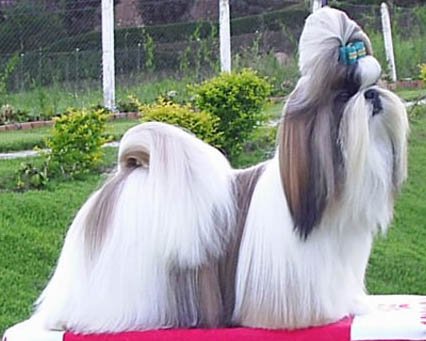
Also known as: Chrysanthemum Dog
The Shih Tzu is a charming toy breed known for its affectionate nature and playful spirit. With a rich history as a companion dog, they thrive on love and social interaction, making them ideal pets for families and individuals.
Good fit for: family homes, apartments or smaller spaces, and lower-shed households.
Worth knowing: This breed is usually a better fit for owners who can stay patient, structured, and consistent with training.
Quick answer
Scan these points first, then read the care, health, and temperament sections below for the fuller picture.
Treat these as breed tendencies, not guarantees. Training, environment, health, and the individual dog still shape the real experience.
Use these facts as a fast reality check, then read the care, temperament, and health sections before deciding whether the breed fits your day-to-day life.
Owner snapshot
A plain-English read of real routines: walks, noise, cleanup, training, kids, and other pets.
This breed is more likely to fit a steadier routine than an all-action household, as long as walks and enrichment still happen.
30 min/day · energy 3/5
Shih Tzu sits in the middle for home fit, so schedule, training, noise tolerance, and outdoor access matter more than the label.
apartment 5/5 · barking 3/5
Expect Shih Tzu to ask for a more realistic brushing and cleanup habit than the photos may suggest.
shedding 1/5 · grooming ease 2/5
Shih Tzu has a mixed social profile, so individual temperament and your household setup should guide the final call.
family 5/5 · pets 4/5
Fit compass
Use these as starting points, not promises. They point to where this breed may feel easier at home, and where your routine needs a plan.
Busy-household friendly
strong child-friendly fit (4/5) · strong other-pet fit (4/5)
Plan for coat cleanup
lighter shedding tendency (1/5) · more coat-care commitment (2/5)
Needs patient training
needs a patient training plan (2/5)
Jump to
Where to go next
Follow the thread that matches how you are deciding: compare a close breed, read a relevant guide, or widen the shortlist from here.
The Shih Tzu's most defining traits include its affectionate nature, playful spirit, and adaptability to different living environments. They are known for their charming personalities and love for human interaction.
Their luxurious coat requires regular grooming, which can be a bonding experience for owners and their pets. Shih Tzus are also known for their stubbornness, which can present challenges during training.
However, their intelligence and eagerness to please make them capable learners when approached with patience and positive reinforcement. Their friendly disposition makes them excellent companions for families and individuals alike.
The Shih Tzu, often referred to as the 'lion dog,' is a charming toy breed with a rich history that dates back to ancient China and Tibet. Known for its affectionate nature and playful spirit, the Shih Tzu has become a beloved companion for families and individuals alike. With a height ranging from 8 to 11 inches and a weight of 9 to 16 pounds, this compact breed is perfect for apartment living.
Shih Tzus are known for their luxurious double coat, which requires regular grooming to maintain its beauty and prevent tangles. Their friendly demeanor makes them excellent companions for children and other pets, although they may be best suited for families with older children who understand how to interact gently with small dogs. Despite their small size, Shih Tzus have a surprisingly sturdy build and a lively personality.
They enjoy playtime and are known for their playful antics, making them a joy to have around. While they are generally friendly with strangers and other animals, they can be a bit stubborn when it comes to training. Early socialization and positive reinforcement techniques are essential for helping them learn basic commands and good manners.
Shih Tzus are not particularly high-energy dogs, requiring only moderate exercise to keep them healthy and happy. Short walks and indoor play sessions are usually sufficient to meet their needs. However, they do not tolerate extreme temperatures well, so it's important to keep them comfortable in both hot and cold weather.
Overall, the Shih Tzu is a delightful breed that thrives on companionship and love. Their sweet nature, combined with their playful spirit, makes them an ideal choice for anyone looking for a loyal and affectionate pet. Whether you're looking for a cuddly lapdog or a playful companion, the Shih Tzu is sure to bring joy to your home.
Despite their small size, Shih Tzus can be surprisingly courageous and protective of their families.
Shih Tzus were once favored by Chinese royalty and were often pampered and groomed extensively.
The Shih Tzu's name means 'lion dog' in Chinese.
They were bred to resemble the lion statues found in Chinese culture.
Explore related filters
Pick your next read
These are selected from the care and home-fit themes on this profile, so the next article answers a real ownership question instead of sending you to a generic blog list.
Health & Science
Useful before assuming lower-shedding means allergy-safe.
Read guideLiving With Dogs
Helps translate space, exercise, and indoor routine into a realistic home fit.
Read guideTraining & Behavior
Worth reading before judging early nerves, reactivity, or training setbacks.
Read guideSide-by-side comparison
Use these matches when you want a clearer look at temperament, size, exercise, shedding, and family fit before you narrow the list.
The Shih Tzu is known for its outgoing and friendly temperament. They are affectionate and enjoy being around their families, often forming strong bonds with their owners.
While they can be playful and energetic, they also appreciate quiet time and cuddling. Shih Tzus are generally good with children and other pets, making them suitable for family environments.
However, their stubborn streak may require consistent training and socialization to ensure they develop good manners and behavior. Overall, they are loving companions that thrive on attention and interaction.
Shih Tzus are known for their friendly and affectionate nature. They thrive on companionship and enjoy being around people of all ages.
Their playful demeanor makes them great companions for children, although supervision is recommended to ensure gentle interactions. They are generally good with other pets and can adapt well to various living situations.
While they can be a bit stubborn, they are also eager to please, making them relatively trainable with the right approach. Their alertness makes them decent watchdogs, although they are not aggressive and are more likely to greet strangers with enthusiasm than hostility.
Shih Tzus are moderately vocal dogs. They will bark to alert their owners of strangers or unusual noises but are not excessive barkers.
Their vocalizations can range from soft whines to more pronounced barks, especially when they are excited or seeking attention. While they can be alert watchdogs, their friendly nature often leads them to greet visitors rather than act as aggressive protectors.
Owners should be mindful of their barking tendencies and provide training to manage excessive vocalizations if necessary.
Big-hearted and highly social - here's how it shows up day to day.
Moderate, steady energy - great for matching your routine.
Moderately talkative - a quick read on noise at home.
The Shih Tzu has relatively low exercise needs, making it suitable for apartment living and for owners who may not have a lot of time for outdoor activities. Daily exercise can be met with short walks, typically around 15-30 minutes, or through engaging indoor play sessions.
Activities such as fetch, tug-of-war, or even gentle play with toys can help keep them active and mentally stimulated. For puppies, short bursts of play are ideal, while senior dogs may require less intense activity.
Regular exercise is essential to maintain a healthy weight and prevent behavioral issues that can arise from boredom or lack of stimulation. Insufficient exercise can lead to weight gain and increased anxiety or destructive behaviors.
Shih Tzus are adaptable to various living environments, including apartments and homes with small yards. They do not require a large outdoor space, as their exercise needs can be met indoors or in small outdoor areas.
However, they should have a safe space to play and explore. Owners in smaller living situations should ensure that their Shih Tzu has enough mental stimulation and opportunities for social interaction to prevent boredom and anxiety.
Shih Tzus may have specific dietary needs due to their brachycephalic nature, which can lead to breathing difficulties. It's important to provide a balanced diet that supports their overall health, including joint health and skin care. Some Shih Tzus may also be prone to food allergies, so monitoring their reactions to new foods is essential.
The Shih Tzu's long, luxurious coat requires regular grooming to prevent tangles and matting. Owners should brush their Shih Tzu at least every other day, using a slicker brush and a comb to ensure all areas are well-groomed.
Bathing should be done every 4-6 weeks, or as needed, to keep the coat clean and healthy. It's also important to clean around the eyes regularly to prevent tear staining and to trim the hair around the face to keep it out of their eyes.
Regular nail trimming and ear cleaning are also essential for maintaining overall health and hygiene.
Brush every other day, bathe every 4-6 weeks, trim nails every 2-4 weeks.
Regular health care is vital for the Shih Tzu's lifespan. Routine veterinary check-ups, vaccinations, and preventive treatments can help detect health issues early and keep them in optimal health.
Dental care is particularly important, as dental disease can lead to other health complications. Maintaining a healthy diet and weight is also crucial for their overall health and longevity.
Genetics play a significant role in the Shih Tzu's lifespan, as certain hereditary health issues can affect their longevity. Responsible breeding practices that prioritize genetic diversity can help reduce the risk of inherited conditions. Potential owners should seek reputable breeders who conduct health testing on their breeding dogs to minimize the risk of passing on genetic disorders.
The Shih Tzu's lifespan can be influenced by various environmental factors, including housing conditions, climate, and social interactions. A stable, loving home environment with regular veterinary care can promote longevity.
Exposure to extreme temperatures can negatively impact their health, so it's essential to keep them comfortable in both hot and cold weather. Regular social interaction and mental stimulation are also crucial for their overall well-being, contributing to a longer, happier life.
Veterinarians typically diagnose this condition through physical examination and observation of breathing patterns.
Surgical intervention may be required for severe cases.
Keep the dog cool and avoid strenuous exercise in hot weather. Surgery may be necessary for severe cases.
Diagnosis is made through physical examination and X-rays.
Surgical correction may be necessary.
Weight management and physical therapy can help; severe cases may require surgery.
Diagnosis is made through physical examination by a veterinarian.
Surgery to correct the eyelid position.
Surgical correction is often required to prevent discomfort and further complications.
Every 2 years after 2 years of age.
This test assesses the dog's hip joints for dysplasia, a common issue in small breeds.
Annually after 2 years of age.
This test checks for genetic predisposition to kidney issues, which can affect Shih Tzus.
Annually after 2 years of age.
This test evaluates the dog's eyes for common conditions such as cataracts and progressive retinal atrophy.
While Shih Tzus are not working dogs, they do require mental stimulation to keep them happy and engaged. Activities such as puzzle toys, interactive games, and basic obedience training can provide the necessary mental challenges.
Their history as companion dogs means they thrive on social interaction and enjoy being part of family activities. Engaging them in playtime or teaching them tricks can help fulfill their need for mental engagement and prevent boredom.
Shih Tzus can exhibit stubbornness, making training a challenge for some owners. They may resist commands, especially if they do not see the benefit in following them.
To overcome these challenges, it is essential to use positive reinforcement techniques, such as treats and praise, to encourage desired behaviors. Consistency in training and establishing a routine can also help.
Socialization from a young age is crucial to ensure they are comfortable around other dogs and people, which can mitigate some behavioral issues. Owners should be patient and persistent, as Shih Tzus respond best to gentle guidance rather than harsh corrections.
Training a Shih Tzu requires patience and consistency. Start with basic commands and gradually introduce more complex tasks. Use positive reinforcement methods, such as treats and praise, to motivate them.
Keep training sessions short and engaging to maintain their interest. Socialization is also vital; expose them to various environments, people, and other animals to help them develop confidence and reduce anxiety. Be mindful of their stubborn streak and avoid confrontational training methods, as this can lead to resistance.
Regular practice and positive experiences will help them learn effectively.
The Shih Tzu's journey began in Tibet, where it was bred by Buddhist monks as a companion dog. These dogs were highly regarded for their loyalty and were often kept alongside larger breeds like the Tibetan Mastiff.
As Buddhism spread to China, the Shih Tzu made its way to the imperial courts, where it became a favorite among the nobility. The breed's distinct appearance, characterized by its short muzzle and long flowing coat, was developed further in China, particularly during the reign of Empress Cixi.
The Shih Tzu was often depicted in art, symbolizing the luxurious lifestyle of the Chinese elite. Despite facing near extinction during the communist revolution, the breed was revived through careful breeding and has since become a cherished companion worldwide.
The Shih Tzu's history dates back to ancient times, with origins likely in Tibet, where it was bred as a holy dog. The breed was brought to China, where it was refined and developed into the Shih Tzu we know today during the Qing Dynasty.
The breed faced challenges during the communist revolution, leading to a significant decline in its population. However, a small number of dogs were imported to England, forming the foundation for the modern Shih Tzu.
The breed gained recognition in the United States in 1969 and has since become one of the most popular toy breeds.
Originally bred as a lapdog for Chinese royalty, the Shih Tzu served as a companion and symbol of status. Its affectionate nature and playful demeanor made it a beloved pet among families. Today, the Shih Tzu continues to fulfill its role as a companion dog, providing love and companionship to families and individuals alike.
The Shih Tzu has a rich cultural history, being revered as a companion dog in ancient China, particularly among the royal family. Its name translates to 'lion dog' in Chinese, reflecting its noble lineage and association with Buddhism.
The breed was often depicted in art and literature, symbolizing loyalty and companionship. The Shih Tzu's popularity surged during the Qing Dynasty, especially under Empress Cixi, who kept large kennels of these dogs.
Today, the Shih Tzu remains a beloved companion worldwide, known for its affectionate nature and charming personality.
The breed exists today and isn’t classified as extinct.
Often found in multiple regions; easier to encounter.
This breed is well-established with healthy population numbers.
Questions people ask most
The Shih Tzu usually adapts well to apartment living. Daily walks, indoor enrichment, and a steady routine still matter, but smaller homes are often a workable fit.
The Shih Tzu is usually a very low-shedding breed. Grooming may still matter, but loose hair around the home is often less of a concern than with many other breeds.
The Shih Tzu may take more patience to train. Many show a more independent or selective working style, so repetition and clear structure matter more.
The average lifespan of a Shih Tzu is 11-14 years. Genetics, diet, exercise, and routine veterinary care all affect how long an individual dog may live.
The Shih Tzu generally does well with children. The best results still come from supervision, respectful handling, and teaching both dog and child how to interact well.
This profile lists around 30 minutes a day as a broad planning estimate. A mix of walks, play, and mental enrichment can help with daily planning for the Shih Tzu. Adjust activity for the individual dog’s age, health, fitness, and weather. Ask your vet about a suitable routine, especially for puppies, older dogs, or dogs with health conditions.
The Shih Tzu generally does well with other pets, especially when introductions are calm and socialization starts early.
These answers describe breed tendencies, not guarantees. Breeding, training, environment, and health history still shape the real dog in front of you. For general activity advice, see PDSA’s exercise guidance.
Similar breeds
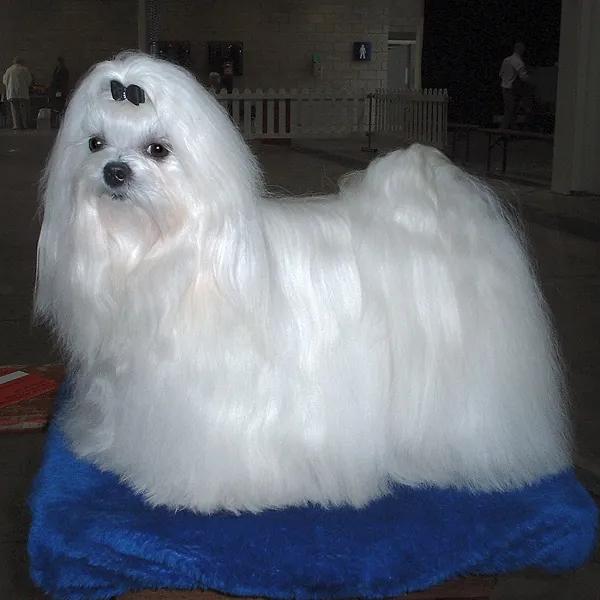
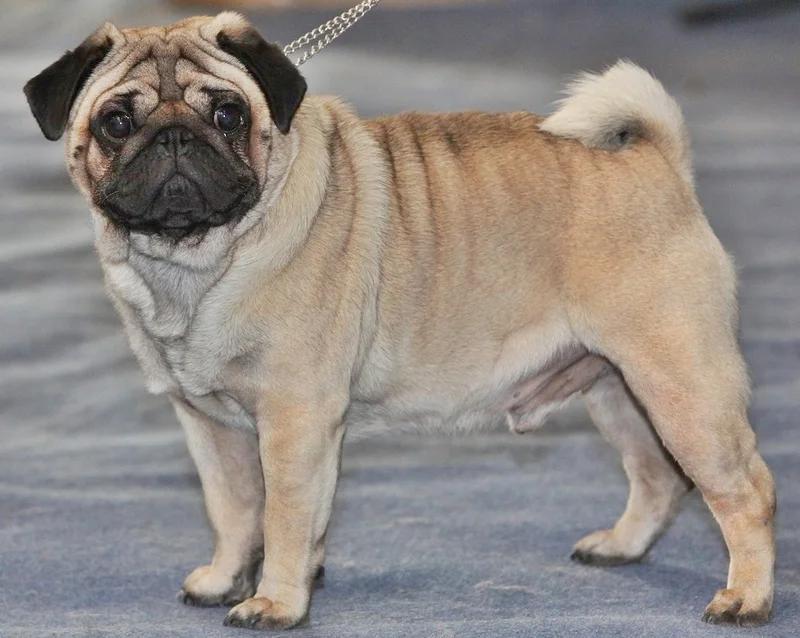
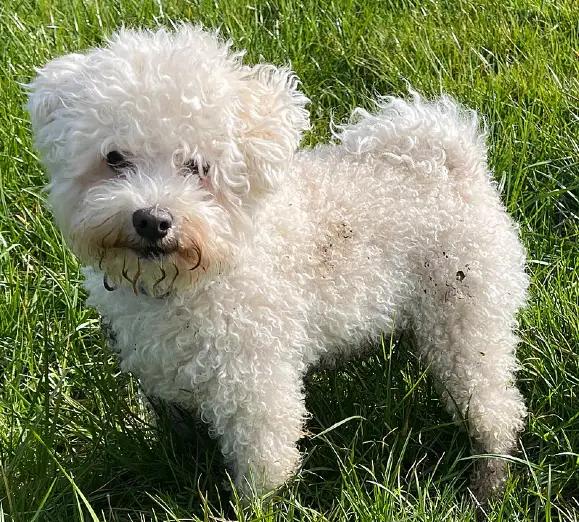
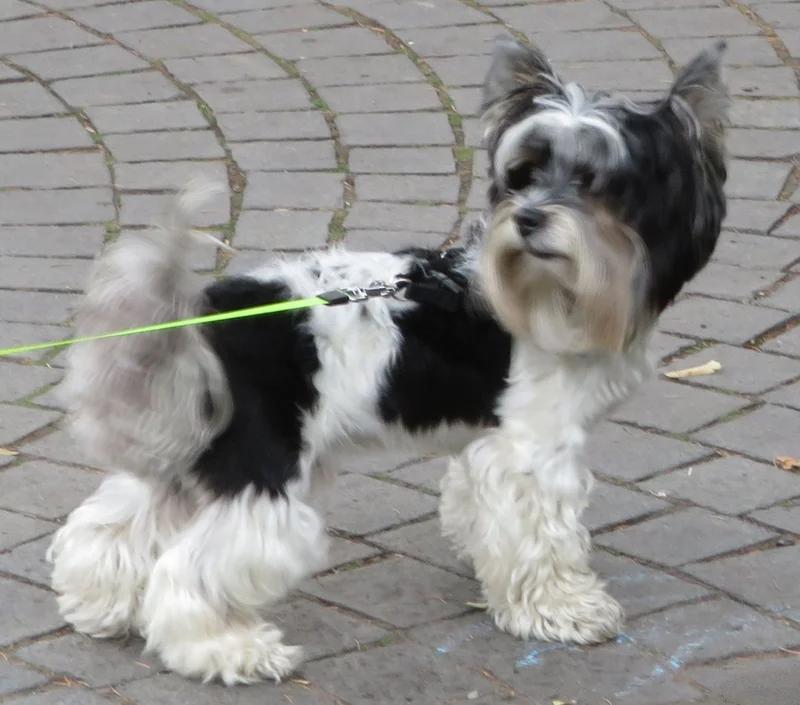
If you like the Shih Tzu, start with these strongest matches for temperament, household fit, and day-to-day routine.
Showing the strongest matches first.