Daily rhythm
Steady rhythm
Plan around a dependable daily walk-and-play routine rather than saving exercise for the weekend.
60 min/day · energy 4/5
Loading breed guide
Also known as: Braque du Puy, Braque Dupuy
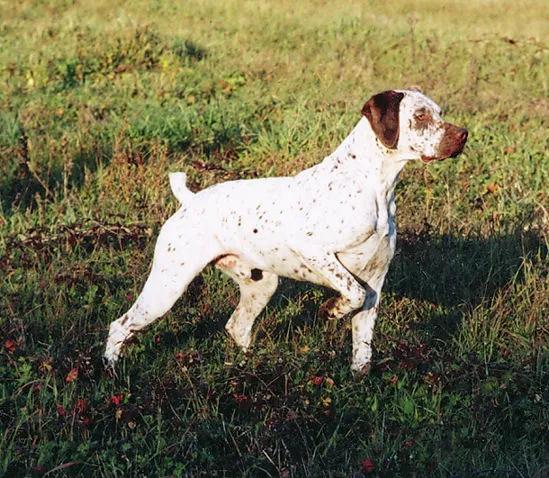
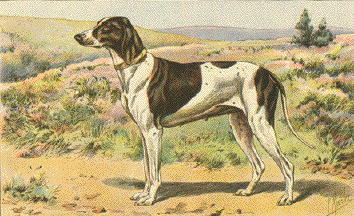
The Braque Dupuy is a historical French hunting dog known for its speed, agility, and affectionate nature. With a distinctive white coat and orange or liver markings, this breed excels in outdoor activities and requires regular exercise.
Good fit for: family homes, active routines, and lower-shed households.
Worth knowing: Plan on about 60 minutes of exercise most days. This breed usually needs more than quick walks and casual play.
Quick answer
Scan these points first, then read the care, health, and temperament sections below for the fuller picture.
Treat these as breed tendencies, not guarantees. Training, environment, health, and the individual dog still shape the real experience.
Use these facts as a fast reality check, then read the care, temperament, and health sections before deciding whether the breed fits your day-to-day life.
Owner snapshot
A plain-English read of real routines: walks, noise, cleanup, training, kids, and other pets.
Plan around a dependable daily walk-and-play routine rather than saving exercise for the weekend.
60 min/day · energy 4/5
Braque Dupuy sits in the middle for home fit, so schedule, training, noise tolerance, and outdoor access matter more than the label.
apartment 3/5 · barking 2/5
Braque Dupuy looks like a lighter home-cleanup pick, though brushing and coat checks still matter.
shedding 2/5 · grooming ease 4/5
Braque Dupuy has a mixed social profile, so individual temperament and your household setup should guide the final call.
family 5/5 · pets 3/5
Fit compass
Use these as starting points, not promises. They point to where this breed may feel easier at home, and where your routine needs a plan.
Lighter cleanup rhythm
lighter shedding tendency (2/5) · easier coat care (4/5)
Needs real daily movement
60 min/day · high-energy companion (4/5)
Jump to
Where to go next
Follow the thread that matches how you are deciding: compare a close breed, read a relevant guide, or widen the shortlist from here.
The Braque Dupuy's key traits include its remarkable speed and agility, making it an excellent hunting companion. Its affectionate nature and loyalty to its family members set it apart as a loving pet.
The breed's intelligence allows for easy training, and its versatility means it can excel in various roles, from hunting to participating in dog sports. Additionally, the Braque Dupuy's adaptability to different living situations makes it a suitable choice for both rural and urban environments, provided its exercise needs are met.
Overall, this breed embodies the spirit of companionship and adventure, making it a cherished addition to any active household.
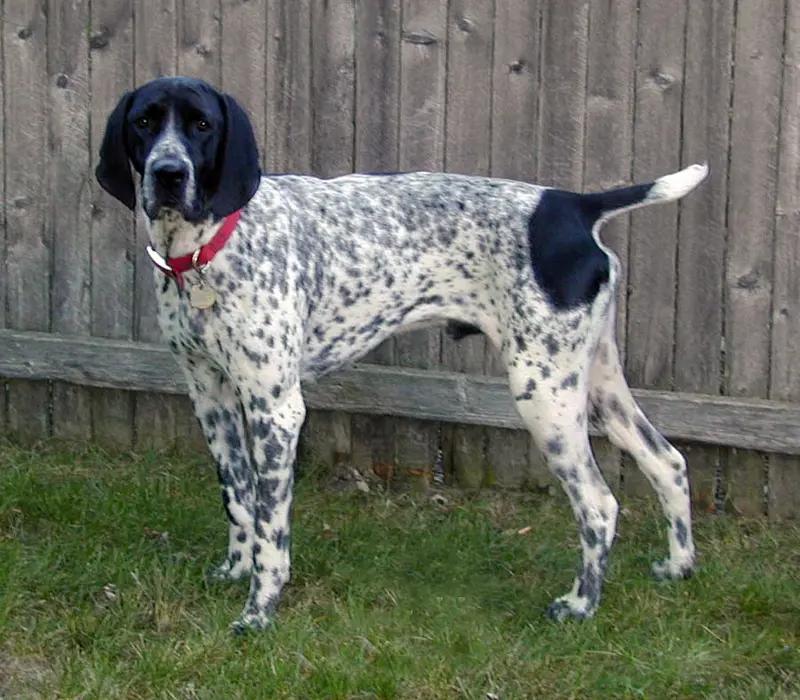
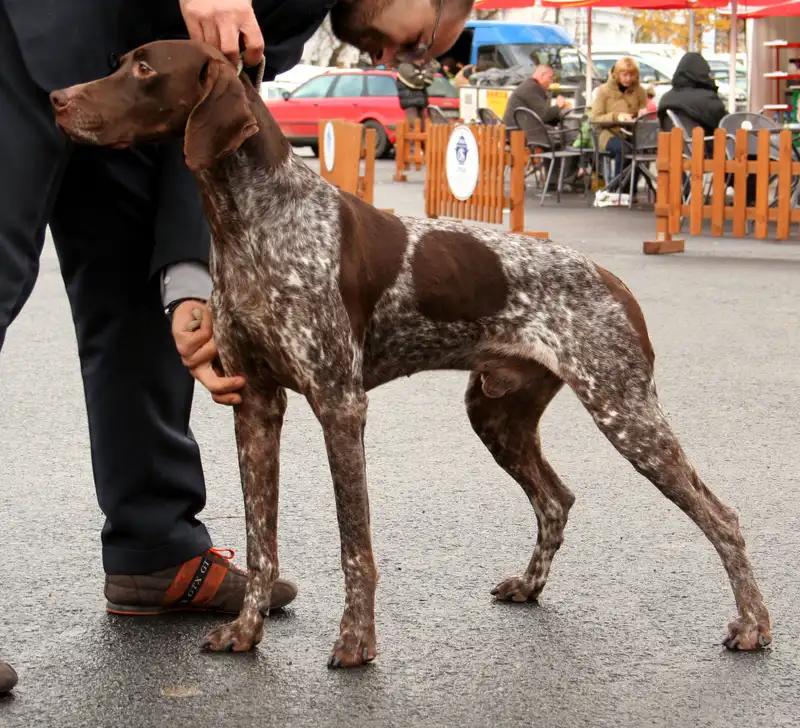
The Braque Dupuy is a historical breed of hunting dog that originated in the Poitou region of France during the 19th century. Known for its speed and agility, this breed was developed by crossing traditional Braques with Greyhound-type dogs, resulting in a versatile hunting companion. The Braque Dupuy is characterized by its medium to large size, with a distinctive white coat adorned with orange or liver-colored markings.
Although the breed has largely disappeared, its legacy continues to influence modern hunting dogs, and efforts to reconstitute the breed highlight its significance in the canine world. In terms of personality, the Braque Dupuy is known for its affectionate and friendly nature. They are typically good with children and can get along well with other pets when properly socialized.
Their intelligence and eagerness to please make them relatively easy to train, although they may exhibit some independence. Regular exercise is essential for this breed, as they require at least 60 to 90 minutes of activity each day to stay healthy and happy. The Braque Dupuy's historical role as a hunting dog has shaped its temperament and behavior.
They are natural hunters, with a keen sense of smell and a strong desire to track and retrieve game. This breed thrives in active households where they can participate in outdoor activities and engage in mental stimulation. While the original Braque Dupuy may no longer exist, the breed's traits can be found in similar breeds, and enthusiasts continue to seek ways to preserve its legacy.
Overall, the Braque Dupuy is a unique and charming breed that embodies the spirit of French hunting traditions. Their combination of speed, agility, and affectionate nature makes them an excellent choice for active families and individuals who appreciate the history and heritage of this remarkable breed.
Despite its extinction, the Braque Dupuy's traits can still be found in similar breeds today.
The Braque Dupuy was known for its exceptional speed and agility, making it a favorite among hunters.
The breed's affectionate nature makes it a great companion for active families.
This breed's unique lineage includes a mix of traditional Braques and Greyhound-type dogs, showcasing its versatility.
Explore related filters
Pick your next read
These are selected from the care and home-fit themes on this profile, so the next article answers a real ownership question instead of sending you to a generic blog list.
Health & Science
Useful before assuming lower-shedding means allergy-safe.
Read guideLiving With Dogs
Helps translate space, exercise, and indoor routine into a realistic home fit.
Read guideTraining & Behavior
Worth reading before judging early nerves, reactivity, or training setbacks.
Read guideThe Braque Dupuy is characterized by its friendly and gentle temperament. They are known to be affectionate with their families and can be quite playful, especially with children.
This breed is generally good with other dogs and pets when properly socialized from a young age. Their natural hunting instincts make them curious and alert, but they are also eager to please, which aids in training.
While they can be independent thinkers, consistent training and positive reinforcement will yield good results. Overall, the Braque Dupuy is a well-rounded breed that thrives in active households.
The Braque Dupuy is known for its affectionate and friendly demeanor. They are typically good with children and can get along well with other pets when properly socialized.
Their intelligence and eagerness to please make them relatively easy to train, although they may exhibit some independence. Regular exercise is essential for this breed, as they require at least 60 to 90 minutes of activity each day to stay healthy and happy.
They thrive in active households where they can participate in outdoor activities and engage in mental stimulation.
The Braque Dupuy is generally not a noisy breed. They may bark occasionally, particularly when alerting to strangers or during play, but they are not known for excessive barking.
Their vocalizations are typically moderate, and they tend to communicate more through body language than through sound. This makes them suitable for families living in close quarters, such as apartments, as long as their exercise and social needs are adequately met.
Warm and balanced socially - here's how it shows up day to day.
Moderate, steady energy - great for matching your routine.
Generally quiet - a quick read on noise at home.
The Braque Dupuy is a breed that requires a moderate amount of exercise to maintain its physical and mental well-being. Ideally, an adult Braque Dupuy should engage in at least 60 to 90 minutes of exercise daily. This can be broken down into two or three sessions throughout the day, allowing for both physical activity and mental stimulation.
Activities such as brisk walks, running, swimming, and engaging in fetch games are excellent for this breed, as they enjoy both speed and agility. Puppies should have shorter, more frequent play sessions to avoid overexertion, while senior dogs may require gentler activities to accommodate their energy levels and joint health. Regular exercise is crucial for preventing behavioral issues such as boredom and anxiety, which can lead to destructive behaviors.
Insufficient exercise can result in weight gain, increased energy levels that may manifest as hyperactivity, and a general decline in overall happiness and health.
The Braque Dupuy is a medium to large-sized breed that thrives in environments where it has ample space to move and explore. Ideally, they should have access to a large yard or open area where they can run freely.
However, they can adapt to apartment living if their exercise needs are met through regular outdoor activities. Owners in smaller living spaces should ensure they provide sufficient daily exercise and mental stimulation to prevent boredom.
The breed's energetic nature means that confinement in small spaces without adequate exercise can lead to anxiety and destructive behaviors. Therefore, a home with a secure outdoor area is preferred, but with commitment to regular outings, they can adjust to various living situations.
The Braque Dupuy does not have specific dietary restrictions, but it is important to provide a balanced diet rich in protein to support their active lifestyle. Owners should monitor for any food sensitivities and adjust their diet accordingly. Regular veterinary check-ups can help ensure that their nutritional needs are being met throughout their life stages.
The Braque Dupuy has a short coat that requires minimal grooming. Regular brushing once a week is sufficient to remove loose hair and dirt, keeping the coat healthy and shiny.
Bathing should be done as needed, typically every few months or when the dog gets particularly dirty. Owners should also pay attention to the dog's ears, ensuring they are clean and dry to prevent infections.
Regular nail trimming and dental care are also important aspects of grooming to maintain overall health.
Brush weekly, bathe as needed (every few months), trim nails every 2-4 weeks.
Regular health care is vital for the Braque Dupuy's lifespan. Routine veterinary check-ups, vaccinations, and preventive treatments can help detect health issues early and ensure the dog remains in optimal health.
Owners should also focus on dental care, as dental disease can lead to other health complications. Providing a balanced diet and maintaining a healthy weight are also critical for preventing obesity-related health issues.
By prioritizing health care throughout different life stages, owners can significantly enhance their dog's quality of life and longevity.
Genetics play a crucial role in the lifespan of the Braque Dupuy. As with many breeds, hereditary health issues can impact their longevity.
Responsible breeding practices that prioritize health and genetic diversity are essential for reducing the risk of inherited conditions. Potential owners should seek reputable breeders who conduct health screenings and genetic testing to ensure they are acquiring a healthy puppy.
Understanding the breed's genetic background can help owners anticipate potential health issues and take proactive measures to maintain their dog's health.
The Braque Dupuy's lifespan can be significantly influenced by its living environment. Dogs that have access to a spacious outdoor area for exercise and play tend to live longer, healthier lives.
Regular outdoor activities not only promote physical health but also provide mental stimulation, which is crucial for this breed. Social interactions with humans and other dogs can also enhance their overall well-being.
Conversely, dogs kept in confined spaces without adequate exercise may experience stress and health issues, leading to a shorter lifespan. Therefore, providing an active and engaging environment is essential for promoting longevity in the Braque Dupuy.
X-rays and physical examination by a veterinarian.
Surgical options or medication to manage pain.
Maintain a healthy weight, provide joint supplements, and engage in low-impact exercise.
Veterinary examination of the ears.
Antibiotic or antifungal medications as prescribed by a veterinarian.
Regular ear cleaning and monitoring for signs of infection.
Annually after 2 years of age.
Hip Evaluation assesses the hip joints for dysplasia and other abnormalities, which can lead to joint pain and mobility issues.
Every 6 months or as needed.
Ear Examination checks for signs of infection or other ear-related issues, which are common in breeds with floppy ears.
The Braque Dupuy has a strong work drive, stemming from its history as a hunting dog. This breed thrives when given tasks or jobs to do, such as tracking, retrieving, or participating in dog sports.
Engaging them in activities that challenge their intelligence and physical abilities is essential for their well-being. Without sufficient mental and physical stimulation, they may become bored and exhibit undesirable behaviors.
Owners should consider incorporating regular training sessions, outdoor adventures, and interactive games to fulfill their need for engagement and keep them happy.
Common behavioral challenges for the Braque Dupuy may include separation anxiety and a strong prey drive, which can lead to chasing small animals if not properly managed. To overcome these challenges, early socialization and consistent training are essential.
Introducing the dog to various environments, people, and other animals from a young age can help mitigate anxiety and promote confidence. Positive reinforcement training methods work best, as this breed responds well to praise and rewards.
Additionally, providing mental stimulation through puzzle toys and scent work can help channel their energy and reduce undesirable behaviors. Regular training sessions that incorporate fun activities will keep the Braque Dupuy engaged and focused, making them more receptive to learning.
Training a Braque Dupuy requires patience and consistency, as they are intelligent but can be somewhat independent. Start with basic obedience commands using positive reinforcement techniques, such as treats and praise.
Short, engaging training sessions are ideal to maintain their interest. Incorporate activities that align with their natural instincts, such as tracking or retrieving games, to make training enjoyable.
Socialization is crucial, so expose them to various environments, people, and other dogs to help them develop into well-rounded companions. Consistency in training and setting clear boundaries will help establish a strong bond and ensure a well-behaved dog.
The Braque Dupuy's origin can be traced back to the 19th century in the Poitou region of France, where it was bred primarily for hunting purposes. The breed was developed by crossing traditional Braques with Greyhound-type dogs, resulting in a dog that was not only fast but also agile and adaptable to various hunting conditions.
One popular story suggests that the breed was influenced by a Sloughi dog brought back from Africa by a French soldier, which was then crossed with a Braque Francais. This unique combination led to the Braque Dupuy's distinctive appearance and hunting capabilities.
As hunting became less popular in the latter half of the 20th century, the breed's numbers dwindled, leading to its near extinction. Today, while the original Braque Dupuy may no longer exist, efforts to recreate the breed continue, reflecting its historical significance and the desire to preserve its legacy.
The Braque Dupuy was developed in the 19th century in the Poitou region of France. It was created by crossing various Braque breeds with Greyhound-type dogs, aiming to produce a fast and flexible hunting dog suited for lowland terrains.
The breed was named after two brothers, the Du Puy, who are said to have played a significant role in its development. The Braque Dupuy was known for its distinctive white coat with orange or liver-colored markings.
Unfortunately, the breed began to decline in the 20th century, and by the mid-1900s, it was either extinct or no longer recognized in its original form. Despite this, there have been attempts to reconstitute the breed using similar breeds, and it remains a rare find in the pet market today.
Historically, the Braque Dupuy was bred as a hunting dog, specifically designed for tracking and retrieving game in lowland areas. Its speed and agility made it an excellent choice for hunters, allowing it to cover ground quickly and efficiently.
The breed was known for its ability to point and retrieve, showcasing its versatility in the field. Although the breed has largely disappeared, its traits have influenced the development of other hunting breeds, and it remains a symbol of France's rich hunting heritage.
The Braque Dupuy holds a significant place in French hunting history, particularly in the Poitou region where it was developed. This breed was prized for its speed and agility, making it an excellent companion for hunters in lowland areas.
The breed's unique lineage, stemming from a mix of traditional Braques and Greyhound-type dogs, reflects the French dedication to creating versatile hunting companions. Although the breed has largely disappeared, its legacy continues to influence modern hunting dogs, and efforts to reconstitute the breed highlight its importance in the canine world.
The Braque Dupuy's story is a testament to the rich history of hunting in France and the enduring bond between humans and their canine partners.
Very low population, extinct, or close to extinction in its original form.
This breed is extinct and no longer exists in its original form.
Questions people ask most
Apartment living can work for the Braque Dupuy, but it is more conditional than easy. Expect to rely more on exercise, structure, and mental stimulation than with breeds that score higher here.
The Braque Dupuy generally sheds less than average. While no breed is truly hypoallergenic, this one often works better for households that want less loose hair.
Training the Braque Dupuy is often a middle-ground experience. The breed can learn well, but progress usually depends on consistency, patience, and clear sessions.
The average lifespan of a Braque Dupuy is 12-14 years. Genetics, diet, exercise, and routine veterinary care all affect how long an individual dog may live.
The Braque Dupuy generally does well with children. The best results still come from supervision, respectful handling, and teaching both dog and child how to interact well.
The Braque Dupuy has a higher energy rating in this guide. This profile lists around 60 minutes a day as a broad planning estimate. Include mental enrichment as well as physical activity. Adjust activity for the individual dog’s age, health, fitness, and weather. Ask your vet about a suitable routine, especially for puppies, older dogs, or dogs with health conditions.
The Braque Dupuy can be a mixed but workable fit around other pets. Success often depends on introductions, supervision, and the personalities involved.
These answers describe breed tendencies, not guarantees. Breeding, training, environment, and health history still shape the real dog in front of you. For general activity advice, see PDSA’s exercise guidance.
Similar breeds
If you like the Braque Dupuy, start with these strongest matches for temperament, household fit, and day-to-day routine.
Showing the strongest matches first.