Daily rhythm
High-motion life
This breed asks for a very active routine, with movement and mental work treated as part of normal daily care.
120 min/day · energy 5/5
Loading breed guide
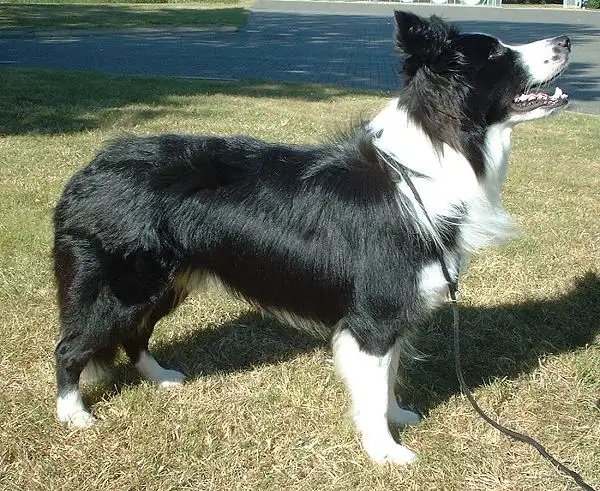
The Border Collie is a highly intelligent and energetic medium-sized dog, renowned for its herding abilities and trainability. With a strong work drive, they excel in various canine sports and require ample exercise and mental stimulation to thrive.
Good fit for: family homes and active routines.
Worth knowing: Plan on about 120 minutes of exercise most days. This breed usually needs more than quick walks and casual play.
Quick answer
Scan these points first, then read the care, health, and temperament sections below for the fuller picture.
Treat these as breed tendencies, not guarantees. Training, environment, health, and the individual dog still shape the real experience.
Use these facts as a fast reality check, then read the care, temperament, and health sections before deciding whether the breed fits your day-to-day life.
Owner snapshot
A plain-English read of real routines: walks, noise, cleanup, training, kids, and other pets.
This breed asks for a very active routine, with movement and mental work treated as part of normal daily care.
120 min/day · energy 5/5
Border Collie may feel easier in homes with more room, routine, and owner attention than in tight, noisy shared spaces.
apartment 1/5 · barking 2/5
Border Collie lands in a moderate coat-care zone: not zero-maintenance, but not the heaviest cleanup profile either.
shedding 3/5 · grooming ease 3/5
Border Collie deserves careful introductions, supervision, and realistic training expectations before joining a complex household.
family 4/5 · pets 1/5
Fit compass
Use these as starting points, not promises. They point to where this breed may feel easier at home, and where your routine needs a plan.
Easier first-month training
easier training fit (5/5)
Needs real daily movement
120 min/day · high-energy companion (5/5)
Jump to
Where to go next
Follow the thread that matches how you are deciding: compare a close breed, read a relevant guide, or widen the shortlist from here.
The Border Collie's defining traits include their exceptional intelligence, strong work ethic, and intense focus. They are natural problem solvers and excel in tasks that require quick thinking and agility.
Their herding instincts are deeply ingrained, and they often display behaviors such as 'the eye' when interacting with other animals. Border Collies are also known for their loyalty and bond with their families, often forming strong attachments.
Their high energy levels mean they require active lifestyles and are best suited for owners who can provide ample exercise and mental challenges. These traits make them not only excellent working dogs but also loving companions for active families.
The Border Collie is a medium-sized dog known for its remarkable intelligence, agility, and herding abilities. Originating from the border regions of Scotland and England, this breed has been refined over centuries to become the premier sheepdog, excelling in herding livestock with grace and precision. With a height ranging from 18 to 23 inches and a weight of 30 to 45 pounds, Border Collies are athletic and well-proportioned, showcasing a strong, muscular build that reflects their working heritage.
Their coat can be either rough or smooth, available in a variety of colors including black and white, blue and white, and tricolor combinations. Border Collies are highly energetic and require extensive daily exercise, making them ideal companions for active individuals or families. They thrive on mental stimulation and enjoy engaging in activities such as agility training, flyball, and obedience trials.
Their intelligence ranks them among the top dog breeds, and they are known for their exceptional problem-solving skills and trainability. However, without sufficient physical and mental challenges, they can become bored and exhibit destructive behaviors. In terms of temperament, Border Collies are affectionate with their families but may be reserved around strangers.
They are known for their intense gaze, often referred to as 'the eye,' which they use to control livestock. While they can be friendly with other dogs, their herding instincts may lead them to be less tolerant of smaller pets. Overall, the Border Collie is a devoted and loyal companion, best suited for owners who can provide the time, space, and activities necessary to keep them fulfilled and happy.
With a lifespan of 10 to 14 years, Border Collies are generally healthy but can be prone to certain hereditary conditions such as hip dysplasia and eye disorders. Regular veterinary check-ups and a balanced diet are essential for maintaining their health. Grooming needs vary depending on the coat type, but regular brushing is recommended to keep their fur in good condition.
Whether working on a farm or participating in dog sports, the Border Collie is a breed that truly excels when given a purpose and plenty of love.
Border Collies are considered the most intelligent dog breed, often ranking at the top of canine intelligence studies.
Border Collies excel in various dog sports, including agility, obedience, and flyball, often dominating competitions.
The breed's name reflects its origin along the border of England and Scotland, where they were developed for herding sheep.
They are known for their incredible agility and speed, making them exceptional athletes in canine sports.
They have a unique herding behavior known as 'the eye,' where they fixate on livestock with a hypnotic stare.
Explore related filters
Pick your next read
These are selected from the care and home-fit themes on this profile, so the next article answers a real ownership question instead of sending you to a generic blog list.
Training & Behavior
Hyperaware of environmental changes
Read guideBehavior & Psychology
Will stare at you until you give them a job
Read guideBehavior & Psychology
Will herd you if you let them
Read guideSide-by-side comparison
Use these matches when you want a clearer look at temperament, size, exercise, shedding, and family fit before you narrow the list.
The Border Collie is characterized by its energetic and intelligent demeanor. They are highly trainable and eager to please, making them excellent companions for active individuals or families.
Their herding instincts can lead to behaviors such as chasing or nipping, particularly with children or smaller pets. While they are affectionate with their families, they may be reserved or protective around strangers.
Early socialization and training are essential to help them develop into well-rounded dogs. Overall, their temperament is a blend of loyalty, intelligence, and a strong desire to work.
Border Collies are known for their high energy and intelligence, making them one of the most trainable breeds. They are eager to please and thrive on mental and physical challenges.
While they are affectionate with their families, they can be reserved around strangers. Their herding instincts can lead them to chase and nip at children or other pets, so supervision is essential.
They are highly alert and responsive, making them excellent watchdogs. Without sufficient exercise and stimulation, they can become bored and develop destructive behaviors, so it's crucial to provide them with a job or activity to keep them engaged.
Border Collies are generally not excessive barkers, but they will vocalize when necessary, especially when herding or alerting to potential threats. Their barking can vary depending on the situation; they may bark to get attention, express excitement, or communicate with their owners.
While they are not known for being overly noisy, their alertness and responsiveness can lead them to bark at unfamiliar sounds or sights. Training can help manage their barking tendencies, ensuring they are well-behaved in various environments.
More independent with affection - here's how it shows up day to day.
High-octane companion - great for matching your routine.
Generally quiet - a quick read on noise at home.
Border Collies are one of the most energetic dog breeds, requiring a substantial amount of exercise to keep them happy and healthy. Ideally, they need at least 90 to 120 minutes of vigorous activity each day. This can include activities such as running, hiking, playing fetch, or engaging in dog sports like agility or flyball.
Due to their high intelligence and energy levels, mental stimulation is just as important as physical exercise. Puzzle toys, training sessions, and interactive games can help fulfill their mental needs. Puppies should have shorter, more frequent play sessions to avoid overexertion, while senior dogs may require less intense exercise but still benefit from regular activity to maintain their health.
Insufficient exercise can lead to behavioral issues such as destructiveness, anxiety, and hyperactivity, as these dogs thrive on having a job to do.
Border Collies thrive in environments that provide ample space to run and play. They are not well-suited for apartment living unless the owner is committed to providing extensive daily exercise.
Ideally, they should have access to a large yard or rural property where they can engage in their natural herding instincts. Owners in smaller living spaces should ensure they can dedicate time to take their dog to parks or open areas for exercise.
Lack of space can lead to frustration and destructive behaviors, as these dogs require both physical and mental stimulation.
Border Collies require a balanced diet rich in protein to support their active lifestyle. It's important to choose high-quality dog food that meets their nutritional needs.
Some may have sensitivities to certain ingredients, so monitoring their diet for any adverse reactions is crucial. Supplements such as omega fatty acids can help maintain coat health and joint function.
Border Collies have a double coat that requires regular grooming to keep it healthy and free of mats. The rough coat is medium to long and may be slightly wavy, while the smooth coat is short and coarse.
Regular brushing, at least twice a week, is recommended to remove loose hair and prevent matting. During shedding seasons, more frequent grooming may be necessary.
Bathing should be done as needed, typically every few months, to keep their coat clean without stripping natural oils. Nail trimming, ear cleaning, and dental care should also be part of their grooming routine.
Brush twice a week; bathe as needed (approximately every 2-3 months); trim nails every 2-4 weeks.
Regular veterinary care is essential for maintaining the health and lifespan of Border Collies. Routine check-ups, vaccinations, and preventive treatments for parasites are important.
Early detection of health issues can lead to better management and treatment outcomes. Additionally, maintaining a balanced diet and providing regular exercise can significantly impact their overall health and longevity.
Genetics play a significant role in the lifespan and health of Border Collies. Responsible breeding practices that prioritize health and temperament can reduce the risk of hereditary conditions.
Potential owners should seek out reputable breeders who conduct health screenings for common issues such as hip dysplasia and eye disorders. Genetic diversity within the breed is also crucial for maintaining overall health and longevity.
Border Collies thrive in environments that allow for plenty of physical activity and mental stimulation. Access to open spaces for running and herding is ideal, as is a climate that is not too extreme.
They do well in homes with active families or individuals who can dedicate time to exercise and play. Social interactions with other dogs and people are also important for their overall well-being, as they are social animals that enjoy companionship.
X-rays and physical examination by a veterinarian.
Surgery or medication may be required in severe cases.
Maintain a healthy weight, provide joint supplements, and avoid excessive strain on joints during exercise.
Ophthalmic examination by a veterinary ophthalmologist.
No cure, but management strategies can help.
Regular eye check-ups and monitoring for vision changes.
Neurological examination and possibly an MRI.
Anticonvulsant medications.
Medication to control seizures and regular veterinary check-ups.
At 2 years of age and older, or as recommended by a veterinarian.
Evaluates hip joint conformation and detects dysplasia.
Annually, starting at 1 year of age.
Checks for inherited eye diseases, including Collie Eye Anomaly.
Every 1-2 years, especially in older dogs.
Assesses thyroid function to detect hypothyroidism.
Border Collies have an exceptional work drive and thrive when given tasks to complete. Their herding instincts are strong, and they require regular opportunities to engage in activities that challenge both their physical and mental capabilities.
Suitable activities include herding trials, agility training, and obedience competitions. Providing them with a job, whether it's fetching items, participating in dog sports, or even helping with chores around the house, is essential for their well-being.
Without sufficient mental stimulation, they may become bored and develop negative behaviors.
Border Collies can exhibit behavioral challenges if not properly trained and socialized. Their high intelligence and energy levels mean they require consistent training and mental stimulation.
Common challenges include herding behaviors directed towards children or other pets, which can lead to nipping or chasing. Additionally, if they do not receive adequate exercise, they may develop destructive behaviors or anxiety.
To overcome these challenges, early socialization and obedience training are essential. Providing them with structured activities and jobs can help channel their energy positively, reducing the likelihood of behavioral issues.
Training a Border Collie can be a rewarding experience due to their eagerness to learn and high intelligence. Positive reinforcement methods, such as treats and praise, work best. Start with basic commands and gradually introduce more complex tasks.
Consistency is key; regular training sessions will help reinforce learned behaviors. Incorporating mental challenges, such as puzzle toys or agility courses, can keep them engaged. Socialization with other dogs and people from a young age is crucial to prevent shyness or aggression towards strangers.
Patience and creativity in training will yield the best results with this breed.
The Border Collie traces its roots back to the ancient herding dogs of the British Isles, particularly in the border regions between Scotland and England. These dogs were bred for their ability to manage livestock, particularly sheep, in rugged terrains.
The breed's name reflects its geographical origins, with 'Border' denoting the area and 'Collie' derived from the Scottish word for sheepdog. The breed gained prominence in the late 19th century, especially with the establishment of sheepdog trials that showcased their exceptional herding abilities.
Influential dogs like Hemp, who was known for his unique herding style, played a crucial role in shaping the breed's characteristics. The Border Collie has since evolved into a beloved companion and a top competitor in various canine sports, while still retaining its herding instincts.
The Border Collie emerged from a long line of herding dogs in the 1800s, primarily in the border regions of England and Scotland. The breed's development was heavily influenced by the need for a dog that could efficiently manage sheep flocks.
The first sheepdog trials in 1873 highlighted the skills of these dogs, particularly a notable dog named Hemp, who became the foundation of the breed. Hemp's unique herding style, characterized by a calm demeanor and intense gaze, set the standard for the breed's working ability.
The name 'Border Collie' was first recorded in 1915, marking the breed's official recognition. Over the years, selective breeding focused on enhancing their herding instincts and intelligence, leading to the modern Border Collie we know today.
Originally bred as a herding dog, the Border Collie's primary function was to assist shepherds in managing large flocks of sheep. Their ability to control livestock with minimal commands and their remarkable agility made them invaluable on farms.
Over time, their skills have been recognized beyond agriculture, leading to their involvement in competitive dog sports such as agility, obedience, and flyball. Today, they are also cherished as family pets, known for their intelligence and loyalty.
The Border Collie is renowned worldwide as the premier sheepdog, celebrated for its intelligence, agility, and herding prowess. Its historical significance is deeply rooted in the agricultural practices of the British Isles, particularly in the border regions of Scotland and England.
The breed gained popularity in the late 19th century, particularly after Queen Victoria became an enthusiast, showcasing the breed's capabilities and charm. Today, Border Collies are not only essential in farming but also excel in various canine sports, including agility and obedience trials, further solidifying their status as versatile working dogs and beloved companions.
The breed exists today and isn’t classified as extinct.
Often found in multiple regions; easier to encounter.
This breed is well-established with healthy population numbers.
Questions people ask most
The Border Collie is not usually one of the easier breeds for apartment living. In most cases, more room and easier outdoor access will make the fit smoother for both dog and owner.
The Border Collie usually sheds at a moderate level. You can expect some loose hair, especially during seasonal changes, but regular brushing often keeps it manageable.
The Border Collie is usually very trainable. Many learn quickly, respond well to structure, and reward consistent positive-reinforcement work.
The average lifespan of a Border Collie is 10 - 14 years. Genetics, diet, exercise, and routine veterinary care all affect how long an individual dog may live.
The Border Collie can be a workable fit around children, but the result depends more on temperament, handling, and home routine than on breed reputation alone.
The Border Collie has a higher energy rating in this guide. This profile lists around 120 minutes a day as a broad planning estimate. Include mental enrichment as well as physical activity. Adjust activity for the individual dog’s age, health, fitness, and weather. Ask your vet about a suitable routine, especially for puppies, older dogs, or dogs with health conditions.
The Border Collie is usually not one of the easier breeds for multi-pet households. In many cases, a single-pet home or very careful management is the safer expectation.
These answers describe breed tendencies, not guarantees. Breeding, training, environment, and health history still shape the real dog in front of you. For general activity advice, see PDSA’s exercise guidance.
Similar breeds
If you like the Border Collie, start with these strongest matches for temperament, household fit, and day-to-day routine.
Why they feel related
Showing the strongest matches first.