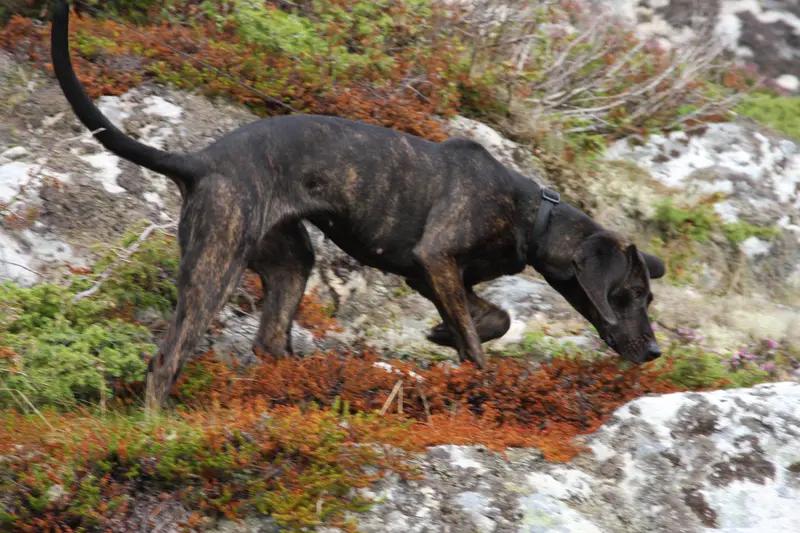
Daily rhythm
Steady rhythm
Plan around a dependable daily walk-and-play routine rather than saving exercise for the weekend.
60 min/day · energy 4/5
Loading breed guide
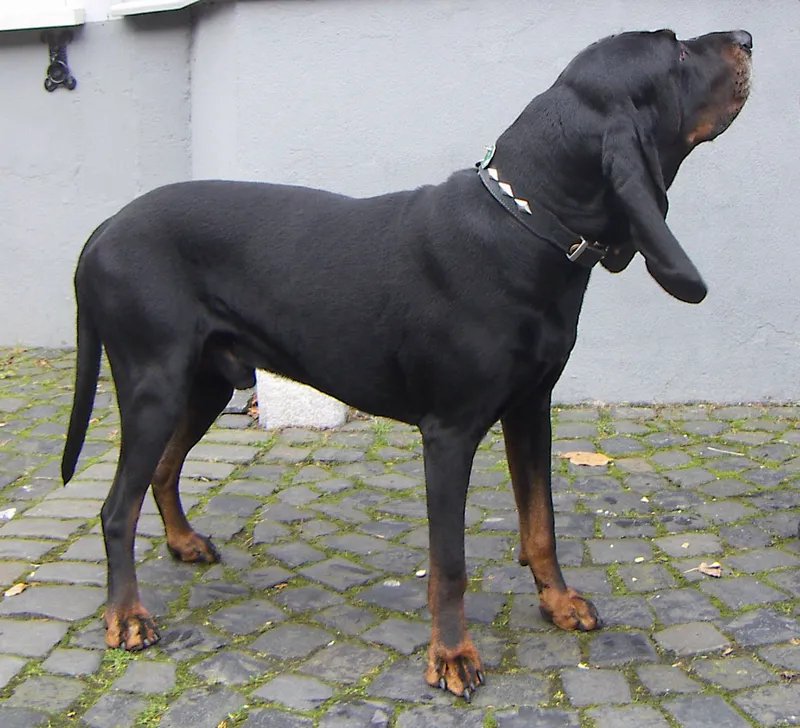
Also known as: American Black and Tan Coonhound
The Black and Tan Coonhound is a loyal and independent breed known for its exceptional scenting abilities and strong hunting instincts. With a calm demeanor indoors and a love for outdoor activities, they make excellent companions for active families.
Good fit for: family homes, active routines, and lower-shed households.
Worth knowing: Plan on about 60 minutes of exercise most days. This breed usually needs more than quick walks and casual play.
Quick answer
Scan these points first, then read the care, health, and temperament sections below for the fuller picture.
Treat these as breed tendencies, not guarantees. Training, environment, health, and the individual dog still shape the real experience.
Use these facts as a fast reality check, then read the care, temperament, and health sections before deciding whether the breed fits your day-to-day life.
Owner snapshot
A plain-English read of real routines: walks, noise, cleanup, training, kids, and other pets.
Plan around a dependable daily walk-and-play routine rather than saving exercise for the weekend.
60 min/day · energy 4/5
Black and Tan Coonhound may feel easier in homes with more room, routine, and owner attention than in tight, noisy shared spaces.
apartment 2/5 · barking 4/5
Black and Tan Coonhound lands in a moderate coat-care zone: not zero-maintenance, but not the heaviest cleanup profile either.
shedding 2/5 · grooming ease 4/5
Black and Tan Coonhound deserves careful introductions, supervision, and realistic training expectations before joining a complex household.
family 4/5 · pets 3/5
Fit compass
Use these as starting points, not promises. They point to where this breed may feel easier at home, and where your routine needs a plan.
Lighter cleanup rhythm
lighter shedding tendency (2/5) · easier coat care (4/5)
Needs real daily movement
60 min/day · high-energy companion (4/5)
Noise training matters
more vocal (4/5)
Needs patient training
needs a patient training plan (2/5)
Jump to
Where to go next
Follow the thread that matches how you are deciding: compare a close breed, read a relevant guide, or widen the shortlist from here.
The Black and Tan Coonhound is characterized by its strong scenting abilities, making it an exceptional tracker. Their long ears and deep muzzle enhance their olfactory capabilities, allowing them to pick up scents from great distances.
They are known for their endurance and agility, capable of running for miles while trailing game. Despite their independent nature, they form strong bonds with their families and are gentle with children.
Their vocalizations, particularly their distinctive baying, serve as a means of communication during hunts, allowing hunters to locate them easily. These traits make them not only excellent hunting companions but also devoted family pets.
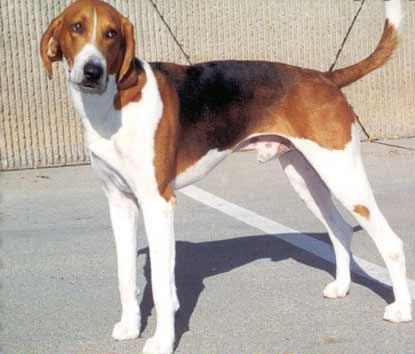
The Black and Tan Coonhound is a distinguished breed known for its remarkable scenting abilities and strong hunting instincts. Originating in the rugged terrains of the Appalachian Mountains, this breed was developed from the Bloodhound and the Black and Tan Virginia Foxhound, making it an exceptional tracker and treeing dog. With a height ranging from 23 to 27 inches and a weight of 40 to 75 pounds, the Black and Tan Coonhound is a medium to large breed characterized by its short, dense coat, long ears, and powerful build.
Their striking black coat with tan markings gives them a distinctive appearance reminiscent of other hound breeds. Despite their strong hunting background, Black and Tan Coonhounds are known for their mellow and amiable temperament. They are calm and unobtrusive indoors, making them excellent companions for families.
However, their independent nature can make them challenging to train, as they may become easily distracted by scents. Early socialization and consistent training are essential to help them adapt to various environments and people. Black and Tan Coonhounds require regular exercise to maintain their physical health and mental stimulation.
They thrive on outdoor activities such as long walks, jogging, and scent tracking games. Their strong work drive means they enjoy tasks that engage their senses, making them well-suited for hunting and tracking activities. While they are generally gentle and tolerant with children, their independent spirit may not always align with the playful nature of younger kids.
They can be reserved with strangers, often expressing their alertness through loud baying. Owners should be prepared for the breed's vocal tendencies and drooling, which are common traits. Overall, the Black and Tan Coonhound is a loyal and loving breed that excels in hunting and tracking, making it a beloved companion for outdoor enthusiasts and families alike.
With proper training, socialization, and exercise, they can thrive in a variety of living situations, provided their need for space and activity is met.
Black and Tan Coonhounds are known to be excellent family pets, gentle with children, and tolerant of other animals.
The Black and Tan Coonhound is known for its distinctive baying howl, which can be recognized from a distance.
They have a unique ability to cover ground swiftly with powerful strides, making them agile hunters.
They were originally bred for hunting raccoons, but they can also track larger game like deer and bear.
This breed has a strong sense of smell and can follow a 'cold' trail, even one that is several days old.
Explore related filters
Pick your next read
These are selected from the care and home-fit themes on this profile, so the next article answers a real ownership question instead of sending you to a generic blog list.
Health & Science
Useful before assuming lower-shedding means allergy-safe.
Read guideLiving With Dogs
Helps translate space, exercise, and indoor routine into a realistic home fit.
Read guideTraining & Behavior
Worth reading before judging early nerves, reactivity, or training setbacks.
Read guideThe Black and Tan Coonhound has a friendly and outgoing temperament, making it a great family dog. They are generally gentle and tolerant with children, though their independent nature may lead them to be less engaged in play.
They can be reserved with strangers, often barking to alert their family. Their strong hunting instincts can make them stubborn and challenging to train, requiring consistent and positive reinforcement methods.
Despite these challenges, they are loyal companions who thrive on human interaction and enjoy being part of family activities. Their temperament is characterized by a blend of independence, loyalty, and a gentle disposition.
The Black and Tan Coonhound is known for its friendly and gentle demeanor, making it a great companion for families. They are typically calm and unobtrusive indoors, enjoying a relaxed lifestyle when not engaged in outdoor activities.
However, their strong hunting instincts can take over when they catch a scent, leading them to become focused and determined trackers. While they are generally good with children, their independent nature may not always align with the playful energy of younger kids.
They can be reserved with strangers, often expressing their alertness through loud vocalizations. Overall, they are loyal and loving dogs that thrive in active environments where they can explore and use their natural instincts.
The Black and Tan Coonhound is known for its loud and distinctive vocalizations, particularly its deep, baying howl. This breed tends to bark frequently, especially when alerting to strangers or expressing excitement.
Their vocalizations can vary in intensity and frequency, often used to communicate with their owners or other dogs. While they may be reserved with strangers, they will vocalize to alert their family of any potential intruders.
Owners should be prepared for the breed's vocal tendencies, as they can be quite vocal in various situations, including playtime and when they catch a scent.
Warm and balanced socially - here's how it shows up day to day.
Moderate, steady energy - great for matching your routine.
Expressive and vocal - a quick read on noise at home.
The Black and Tan Coonhound is an active breed that requires a significant amount of exercise to maintain its physical and mental well-being. Ideally, they should have at least 60 to 90 minutes of exercise daily, which can be broken down into multiple sessions. Activities such as long walks, jogs, and playtime in a secure area are essential to keep them engaged.
They thrive on scent work and enjoy activities that allow them to use their keen sense of smell, such as tracking games or scent trails. Puppies may require shorter, more frequent exercise sessions to accommodate their developing bodies, while older dogs may benefit from moderate walks to prevent joint strain. Regular exercise helps manage their weight, supports cardiovascular health, and reduces the likelihood of behavioral issues stemming from boredom or pent-up energy.
Insufficient exercise can lead to destructive behaviors, excessive barking, and weight gain, making it crucial for owners to prioritize their exercise needs.
The Black and Tan Coonhound requires ample space to thrive, ideally a large, securely fenced yard where they can roam and explore. While they can adapt to living in apartments if given sufficient daily exercise, they are best suited for homes with access to outdoor areas.
Their strong hunting instincts may lead them to wander off if they catch a scent, so a secure environment is essential. Owners living in smaller spaces should ensure they provide regular outdoor activities and mental stimulation to prevent boredom and anxiety.
The Black and Tan Coonhound may benefit from a diet rich in protein to support its active lifestyle. Owners should monitor for any food sensitivities and adjust their diet accordingly. Regular veterinary check-ups can help identify any specific dietary needs based on the dog's health and activity level.
The Black and Tan Coonhound has a short, dense coat that requires minimal grooming. Occasional brushing is sufficient to remove loose hair and dirt, and it helps maintain the coat's glossy appearance.
Owners should pay special attention to the ears, as they are prone to infections; regular cleaning is necessary to prevent odor and buildup. The face may also require wiping to manage drool.
Overall, grooming is straightforward, making this breed relatively low maintenance in terms of coat care.
Brush weekly, clean ears weekly, bathe as needed.
Regular health care is crucial for the Black and Tan Coonhound's longevity. Routine veterinary check-ups, vaccinations, and preventive treatments can help detect and address health issues early.
Maintaining a balanced diet, regular exercise, and proper dental care are also essential components of their health care routine. Owners should be proactive in monitoring their dog's health and addressing any concerns promptly to ensure a long, healthy life.
Genetics play a significant role in the Black and Tan Coonhound's lifespan, with hereditary health issues such as hip dysplasia and eye problems being common. Responsible breeding practices that prioritize genetic diversity can help reduce the prevalence of these conditions.
Potential owners should seek breeders who conduct health screenings and provide health guarantees for their puppies, ensuring a better chance of a healthy dog. Understanding the breed's genetic predispositions can guide owners in making informed decisions regarding care and health management.
The Black and Tan Coonhound's lifespan can be influenced by various environmental factors. Dogs that live in secure, spacious environments with regular exercise tend to live longer, healthier lives.
Access to outdoor activities, social interactions, and mental stimulation contributes positively to their well-being. Conversely, dogs kept in confined spaces without adequate exercise may experience stress and health issues, potentially shortening their lifespan.
Owners should ensure a safe and engaging environment to promote longevity.
X-rays and physical examination by a veterinarian.
Medications, weight management, and in severe cases, surgery.
Maintain a healthy weight, provide joint supplements, and engage in low-impact exercise.
Veterinary examination of the ear canal.
Antibiotics or antifungal medications as prescribed by a veterinarian.
Regular ear cleaning and monitoring for signs of infection.
Veterinary eye examination.
Surgery or medications as recommended by a veterinarian.
Regular veterinary check-ups to monitor eye health.
Recommended for puppies at 1 year and older, and annually for adults.
Hip Evaluation assesses the hip joints for dysplasia and other abnormalities, crucial for preventing mobility issues.
Recommended annually for adults, especially those showing signs of lethargy or weight gain.
Thyroid testing checks for hypothyroidism, a common condition in many breeds, including the Black and Tan Coonhound.
Recommended annually for all ages, especially for breeding dogs.
Eye examination screens for hereditary eye conditions, ensuring early detection and management of potential issues.
Recommended annually for adults, especially those showing signs of heart issues.
Cardiac evaluation checks for heart conditions that may affect the breed, ensuring overall cardiovascular health.
Recommended for puppies at 1 year and older, and annually for adults.
Elbow evaluation assesses the elbow joints for dysplasia and other abnormalities, important for maintaining mobility.
The Black and Tan Coonhound has a strong work drive, stemming from its history as a hunting dog. They thrive on tasks that engage their keen sense of smell and require physical activity.
Activities such as tracking, scent detection, and hunting simulations are ideal for keeping them mentally stimulated. Without sufficient mental and physical challenges, they may become bored and exhibit undesirable behaviors.
Providing them with jobs or activities that align with their natural instincts is crucial for their overall happiness and well-being.
Training a Black and Tan Coonhound can present challenges due to their independent nature and strong hunting instincts. They may become easily distracted by scents and can be stubborn when it comes to following commands. To overcome these challenges, consistent and positive reinforcement training methods are recommended.
Engaging them in scent work or tracking activities can help channel their instincts productively. Early socialization is crucial to help them become more comfortable around strangers and other animals. Owners should be patient and persistent, as these dogs may require more time to learn commands compared to other breeds.
Providing mental stimulation through puzzle toys and interactive games can also aid in their training process.
To effectively train a Black and Tan Coonhound, owners should focus on positive reinforcement techniques, rewarding desired behaviors with treats and praise. Consistency is key; commands should be reinforced regularly to help the dog understand expectations.
Incorporating scent games and tracking exercises can keep them engaged and motivated. Socialization from a young age is essential to help them adapt to new environments and people.
Short, frequent training sessions are more effective than long ones, as these dogs can lose interest quickly. Owners should also establish clear boundaries and routines to help the dog feel secure and understand their role within the family.
The Black and Tan Coonhound's origin is steeped in American history, tracing back to the early settlers who brought various hound breeds to the New World. Among these were the Bloodhound and the Black and Tan Virginia Foxhound, which were crossed to create a versatile hunting dog capable of trailing and treeing raccoons.
As settlers moved westward, these hounds proved invaluable for hunting and protecting homesteads from wildlife. Their ability to work in rugged terrain and their distinctive vocalizations made them a favorite among hunters.
The breed's development was influenced by the need for a reliable companion in the field, leading to its recognition as a distinct breed by the AKC in 1945. Today, the Black and Tan Coonhound continues to excel in hunting and various dog sports, embodying the spirit of American perseverance and adaptability.
The Black and Tan Coonhound's history dates back to the 18th century, originating from crosses between the Bloodhound and the Black and Tan Virginia Foxhound. This breed was developed primarily for hunting raccoons and other game in the challenging terrains of the Appalachian region.
Over time, meticulous breeding practices by hunters led to the establishment of the Black and Tan Coonhound as a distinct breed. In 1945, it became the first coonhound breed recognized by the American Kennel Club (AKC), highlighting its importance in the hunting community.
The breed has maintained its reputation as a skilled tracker and treeing dog, with a strong emphasis on scent work and endurance.
Historically, the Black and Tan Coonhound was bred for hunting raccoons, opossums, and other small game. Its strong scenting abilities and endurance made it an ideal companion for hunters, capable of trailing scents over long distances.
The breed's vocalizations, characterized by a deep, baying howl, allowed hunters to locate their dogs when they had treed their quarry. Over the years, the Black and Tan Coonhound has also been utilized for hunting larger game such as deer and bear, showcasing its versatility and courage in the field.
Today, while still valued for its hunting skills, the breed is also appreciated as a family pet and companion, known for its gentle demeanor and loyalty.
The Black and Tan Coonhound holds a special place in American culture, particularly in the hunting community. Developed in the rugged terrains of the Appalachian and Smoky Mountains, this breed has been a reliable companion for hunters since the 18th century.
Its ability to track and tree raccoons and other game has made it a favorite among outdoor enthusiasts. The breed's distinctive baying call is often associated with the thrill of the hunt, and it has been featured in various forms of media, symbolizing loyalty and determination.
The Black and Tan Coonhound's contributions to hunting and tracking have solidified its status as a quintessential American breed, celebrated for its unique abilities and strong work ethic.
The breed exists today and isn’t classified as extinct.
Less widespread; more likely to be region-specific or niche.
This breed is less common but has stable populations in certain regions.
Questions people ask most
The Black and Tan Coonhound is usually a harder apartment fit. More space, easier outdoor access, and a stronger exercise routine will often make day-to-day life smoother.
The Black and Tan Coonhound generally sheds less than average. While no breed is truly hypoallergenic, this one often works better for households that want less loose hair.
The Black and Tan Coonhound may take more patience to train. Many show a more independent or selective working style, so repetition and clear structure matter more.
The average lifespan of a Black and Tan Coonhound is 10 - 12 years. Genetics, diet, exercise, and routine veterinary care all affect how long an individual dog may live.
The Black and Tan Coonhound generally does well with children. The best results still come from supervision, respectful handling, and teaching both dog and child how to interact well.
The Black and Tan Coonhound has a higher energy rating in this guide. This profile lists around 60 minutes a day as a broad planning estimate. Include mental enrichment as well as physical activity. Adjust activity for the individual dog’s age, health, fitness, and weather. Ask your vet about a suitable routine, especially for puppies, older dogs, or dogs with health conditions.
The Black and Tan Coonhound can be a mixed but workable fit around other pets. Success often depends on introductions, supervision, and the personalities involved.
These answers describe breed tendencies, not guarantees. Breeding, training, environment, and health history still shape the real dog in front of you. For general activity advice, see PDSA’s exercise guidance.
Similar breeds
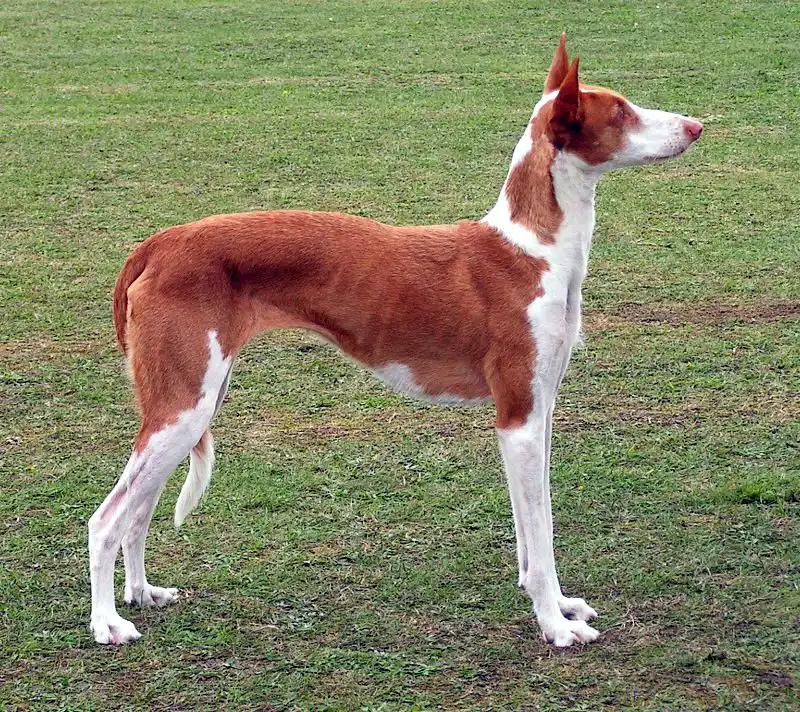
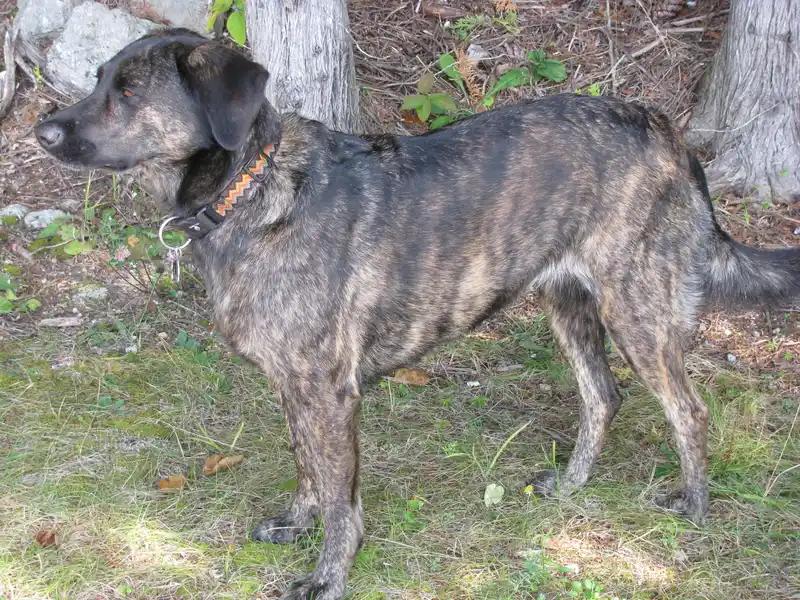
If you like the Black and Tan Coonhound, start with these strongest matches for temperament, household fit, and day-to-day routine.
Showing the strongest matches first.