Daily rhythm
Steady rhythm
Plan around a dependable daily walk-and-play routine rather than saving exercise for the weekend.
60 min/day · energy 3/5
Loading breed guide
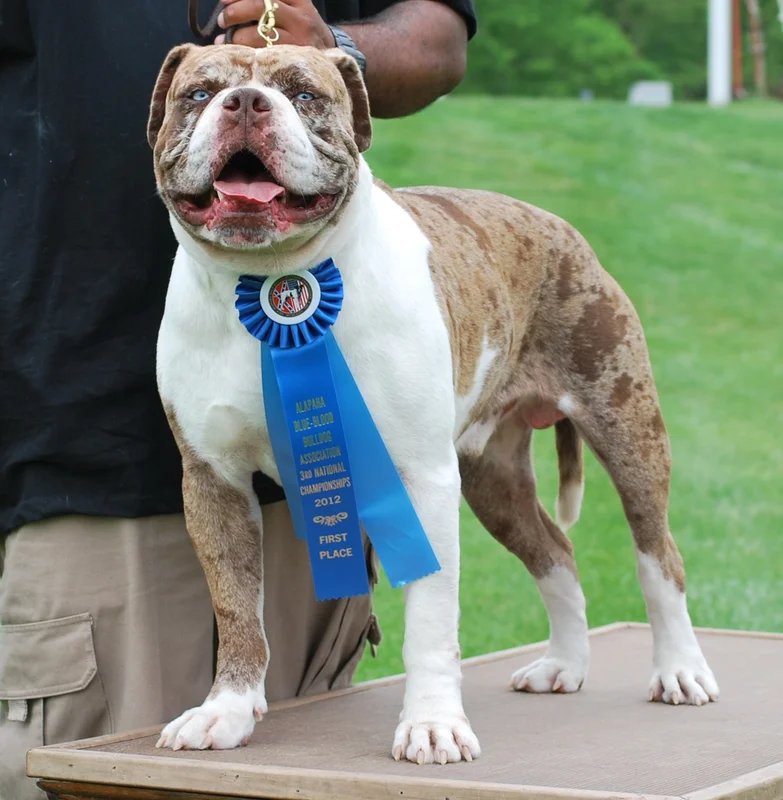
Also known as: Alapaha Bulldog, Blue Blood Bulldog
The Alapaha Blue Blood Bulldog is a medium-large breed known for its loyalty, protective instincts, and versatility as a companion and working dog.
Good fit for: family homes and lower-shed households.
Worth knowing: Plan on about 60 minutes of exercise most days. This breed usually needs more than quick walks and casual play.
Quick answer
Scan these points first, then read the care, health, and temperament sections below for the fuller picture.
Treat these as breed tendencies, not guarantees. Training, environment, health, and the individual dog still shape the real experience.
Use these facts as a fast reality check, then read the care, temperament, and health sections before deciding whether the breed fits your day-to-day life.
Owner snapshot
A plain-English read of real routines: walks, noise, cleanup, training, kids, and other pets.
Plan around a dependable daily walk-and-play routine rather than saving exercise for the weekend.
60 min/day · energy 3/5
Alapaha Blue Blood Bulldog sits in the middle for home fit, so schedule, training, noise tolerance, and outdoor access matter more than the label.
apartment 3/5 · barking 2/5
Alapaha Blue Blood Bulldog looks like a lighter home-cleanup pick, though brushing and coat checks still matter.
shedding 2/5 · grooming ease 5/5
Alapaha Blue Blood Bulldog deserves careful introductions, supervision, and realistic training expectations before joining a complex household.
family 5/5 · pets 2/5
Fit compass
Use these as starting points, not promises. They point to where this breed may feel easier at home, and where your routine needs a plan.
Lighter cleanup rhythm
lighter shedding tendency (2/5) · easier coat care (5/5)
Nothing here points to one major care spike, but training, grooming, and exercise still deserve a real routine.
Jump to
Where to go next
Follow the thread that matches how you are deciding: compare a close breed, read a relevant guide, or widen the shortlist from here.
One of the standout traits of the Alapaha Blue Blood Bulldog is its strong guarding instinct, which makes it an excellent protector of the home and family. They are also known for their versatility, excelling in various roles such as hunting, companionship, and as working dogs.
Their affectionate nature sets them apart, as they form deep bonds with their families and are particularly gentle with children. Additionally, their adaptability allows them to thrive in different living situations, provided they receive adequate exercise and mental stimulation.
These traits make the Alapaha Blue Blood Bulldog a unique and cherished breed for those who appreciate a loyal and active companion.
The Alapaha Blue Blood Bulldog is a medium-large breed that combines strength, loyalty, and versatility. Originating from the southern United States, this breed has a rich history tied to early bulldog types brought to America in the 1800s. Known for its protective instincts, the Alapaha Blue Blood Bulldog excels as a watchdog, hunting companion, and loving family pet.
With a height range of 18-24 inches and a weight of 55-75 pounds, this breed is robust and muscular, making it well-suited for active households. Their affectionate nature earns them a place as a beloved companion, while their moderate exercise needs ensure they remain healthy and happy. Training an Alapaha Blue Blood Bulldog can be rewarding, as they are intelligent and eager to please, though they may exhibit stubbornness at times.
Early socialization is crucial to help them become well-rounded dogs, comfortable in various environments. With a lifespan of 12-15 years, these dogs thrive in homes where they can be part of the family, engaging in activities that stimulate both their minds and bodies. Overall, the Alapaha Blue Blood Bulldog is a unique breed that offers a blend of companionship, loyalty, and protective instincts, making them an excellent choice for families looking for an active and devoted pet.
The Alapaha Blue Blood Bulldog is known for its distinctive blue blood lineage, which is celebrated among enthusiasts.
They are known to be very affectionate with their families, often forming strong bonds with children.
They are often used in various dog sports due to their agility and strength.
This breed has a strong guarding instinct, making them excellent watchdogs.
Explore related filters
Pick your next read
These are selected from the care and home-fit themes on this profile, so the next article answers a real ownership question instead of sending you to a generic blog list.
Health & Science
Useful before assuming lower-shedding means allergy-safe.
Read guideLiving With Dogs
Helps translate space, exercise, and indoor routine into a realistic home fit.
Read guideTraining & Behavior
Worth reading before judging early nerves, reactivity, or training setbacks.
Read guideThe Alapaha Blue Blood Bulldog is known for its equable and kind temperament. They are resolute and courageous, displaying a protective nature without being aggressive.
This breed is typically friendly with family members and can be affectionate and playful, especially with children. However, they may be reserved or aloof with strangers, making early socialization essential.
Their temperament allows them to adapt well to family life, provided they receive proper training and socialization. Overall, the Alapaha Blue Blood Bulldog is a loving and loyal companion that thrives in active households.
The Alapaha Blue Blood Bulldog is a loyal and protective breed, known for its affectionate nature towards its family. They are intelligent and eager to please, making them relatively trainable, though they may exhibit stubbornness at times.
This breed is typically reserved around strangers, which can make them excellent watchdogs. Their playful side emerges during family interactions, and they enjoy engaging in games and activities with their owners.
Socialization from an early age is crucial to ensure they are well-adjusted and comfortable in various environments. Overall, the Alapaha Blue Blood Bulldog is a devoted companion that thrives in active households.
The Alapaha Blue Blood Bulldog is generally not a vocal breed, with a moderate tendency to bark. They may bark to alert their owners of strangers or unusual activity, but excessive barking is not typical.
Their vocalizations are usually reserved for specific situations, such as playtime or when they feel their family is threatened. This breed's noise level is manageable, making them suitable for various living environments, including apartments, as long as they receive sufficient exercise and mental stimulation.
Warm and balanced socially - here's how it shows up day to day.
Calmer, low-energy vibe - great for matching your routine.
Generally quiet - a quick read on noise at home.
The Alapaha Blue Blood Bulldog requires moderate exercise to maintain its physical and mental health. Ideally, this breed should engage in at least 60 minutes of exercise daily, which can be broken down into two or three sessions.
Activities such as brisk walks, playtime in a secure yard, and engaging in games like fetch or tug-of-war are excellent for keeping them active. For puppies, shorter play sessions are recommended to avoid overexertion, while adult dogs benefit from more vigorous activities to channel their energy.
Senior dogs may require less intense exercise but should still be encouraged to stay active to maintain mobility and health. Regular exercise helps prevent obesity, supports cardiovascular health, and reduces behavioral issues stemming from boredom or pent-up energy.
The Alapaha Blue Blood Bulldog is adaptable to various living situations, but it thrives best in homes with ample outdoor space. A medium to large yard is ideal, as it allows the dog to run and play freely.
In urban settings, owners should ensure that the dog receives sufficient exercise through daily walks and trips to dog parks. While they can adapt to apartment living, it is crucial to provide them with enough physical activity and mental stimulation to prevent boredom and destructive behavior.
The breed's size and energy level necessitate a space where they can move comfortably without feeling confined.
The Alapaha Blue Blood Bulldog may have specific dietary needs based on its activity level and health status. It's essential to provide a balanced diet rich in protein to support its muscular build.
Some dogs may be prone to food allergies, so monitoring for any adverse reactions to new foods is crucial. Regular veterinary check-ups can help determine if any supplements or dietary adjustments are necessary.
The Alapaha Blue Blood Bulldog has a short, smooth coat that requires minimal grooming. Regular brushing once a week is sufficient to remove loose hair and keep the coat healthy.
Bathing should be done as needed, typically every few months or when the dog gets particularly dirty. It's essential to clean the dog's face and ears regularly to prevent any buildup of dirt or moisture, which can lead to infections.
Nail trimming should be done every few weeks to keep the nails at a manageable length. Overall, grooming this breed is straightforward and requires little time and effort.
Brush weekly; bathe as needed (every few months); trim nails every 2-4 weeks.
Regular health care is essential for the Alapaha Blue Blood Bulldog's lifespan. Routine veterinary check-ups, vaccinations, and preventive treatments can help detect and address health issues early.
Maintaining a healthy weight through proper diet and exercise is crucial, as obesity can lead to various health problems. Dental care is also important; regular teeth brushing and dental check-ups can prevent periodontal disease.
By prioritizing health care, owners can significantly enhance their dog's quality of life and longevity.
Genetics play a vital role in the lifespan of the Alapaha Blue Blood Bulldog. Certain hereditary health issues, such as hip dysplasia and allergies, can impact their overall health and longevity.
Responsible breeding practices that prioritize genetic diversity and health testing can help reduce the prevalence of these conditions. Potential owners should research breeders thoroughly to ensure they are selecting a puppy from a lineage with a history of good health.
Understanding the genetic background of the breed can help owners make informed decisions about their dog's care and management.
The Alapaha Blue Blood Bulldog's lifespan can be influenced by various environmental factors. A stable and loving home environment, regular exercise, and a balanced diet contribute significantly to their longevity.
Exposure to harsh weather conditions can affect their health; therefore, they should be kept in a comfortable climate with adequate shelter. Social interactions and mental stimulation are also crucial for their well-being, as they thrive in active households where they can engage with their families.
Regular veterinary care and preventive health measures can further enhance their lifespan.
X-ray examination by a veterinarian.
Medications, weight management, and in severe cases, surgery.
Maintain a healthy weight, provide joint supplements, and engage in low-impact exercise.
Allergy testing by a veterinarian.
Antihistamines, corticosteroids, or allergy shots.
Identify and avoid allergens, consider hypoallergenic diets, and use medications as needed.
Veterinary examination of the eyelids.
Surgery to correct eyelid position.
Surgical correction may be necessary to prevent discomfort.
Annually after 12 months of age.
Hip Evaluation to assess hip joint health and detect dysplasia early.
As needed, especially if symptoms arise.
Allergy testing to identify specific allergens affecting the dog.
Every 1-2 years, or as recommended by a veterinarian.
Eye examination to check for conditions like entropion or other eye issues.
The Alapaha Blue Blood Bulldog has a strong work drive, stemming from its history as a versatile working dog. This breed thrives when given tasks or jobs to do, whether it's participating in dog sports, engaging in obedience training, or simply accompanying its owner on outdoor adventures.
Mental stimulation is essential to prevent boredom, which can lead to destructive behaviors. Activities like puzzle toys, scent work, and interactive games can help fulfill the dog's need for mental engagement.
Owners should aim to provide a variety of activities to keep their Alapaha Blue Blood Bulldog happy and well-rounded.
One common behavioral challenge with the Alapaha Blue Blood Bulldog is its tendency to be wary of strangers. This protective instinct can lead to barking or aggressive behavior if not properly managed through socialization.
Early exposure to various people, environments, and other animals is crucial to help mitigate this behavior. Additionally, the breed may exhibit stubbornness during training, requiring consistent and positive reinforcement methods.
Owners should be patient and persistent, using rewards-based training techniques to encourage desired behaviors. Engaging the dog in regular training sessions can also help channel its energy and intelligence effectively.
Training an Alapaha Blue Blood Bulldog requires a balanced approach that combines firmness with positive reinforcement. Start with basic obedience commands, such as sit, stay, and come, using treats and praise as rewards.
Consistency is key; establish a routine for training sessions and ensure all family members use the same commands and techniques. Socialization is equally important; expose the dog to different environments, people, and other pets to build confidence and reduce wariness.
Incorporating fun activities like agility training or interactive games can keep the dog engaged and mentally stimulated, making training a positive experience for both the owner and the dog.
The Alapaha Blue Blood Bulldog's origin story is rooted in the rich history of bulldogs in America. It is believed that early settlers brought bulldog types to the southern states, where they were bred for their strength and working capabilities.
These dogs were utilized for various tasks, including hunting, guarding livestock, and serving as loyal companions. As the breed developed, it became known for its distinctive appearance and temperament, characterized by a strong guarding instinct and a loving nature.
The breed's name reflects its heritage, with 'Alapaha' referring to a river in Georgia, and 'Blue Blood' signifying its noble lineage. Today, the Alapaha Blue Blood Bulldog is celebrated for its versatility and loyalty, making it a cherished member of many families.
The Alapaha Blue Blood Bulldog's history is somewhat obscure, but it is believed to have originated in the southern United States, tracing its roots back to old bulldog types introduced in the 1800s. These early bulldogs were bred for their working ability, stamina, and bravery, leading to the emergence of a distinct breed.
Over the years, the Alapaha Blue Blood Bulldog has been selectively bred for its guarding instincts, making it an excellent watchdog and hunting companion. Despite its lack of recognition by the AKC, the breed has gained a dedicated following among enthusiasts who appreciate its unique qualities and versatility.
Historically, the Alapaha Blue Blood Bulldog was bred for various roles, including hunting, guarding, and companionship. Its strong build and protective instincts made it an excellent watchdog, capable of deterring intruders and protecting livestock.
The breed's hunting abilities were utilized in tracking and capturing game, showcasing its versatility as a working dog. In modern times, the Alapaha Blue Blood Bulldog continues to serve as a loyal companion, thriving in active households that appreciate its intelligence and affectionate nature.
The Alapaha Blue Blood Bulldog holds a special place in American culture, particularly in the southern United States. This breed is often associated with family farms and rural lifestyles, where they served as versatile working dogs.
Their history is intertwined with the development of American bulldogs, and they are recognized for their loyalty and protective instincts. The breed is celebrated in local communities and has gained popularity as a companion animal, known for its affectionate nature and strong bond with families.
Their unique appearance and character have also made them a subject of interest in various dog shows and competitions, contributing to their growing recognition.
The breed exists today and isn’t classified as extinct.
Less widespread; more likely to be region-specific or niche.
This breed is less common but has stable populations in certain regions.
Questions people ask most
Apartment living can work for the Alapaha Blue Blood Bulldog, but it is more conditional than easy. Expect to rely more on exercise, structure, and mental stimulation than with breeds that score higher here.
The Alapaha Blue Blood Bulldog generally sheds less than average. While no breed is truly hypoallergenic, this one often works better for households that want less loose hair.
Training the Alapaha Blue Blood Bulldog is often a middle-ground experience. The breed can learn well, but progress usually depends on consistency, patience, and clear sessions.
The average lifespan of a Alapaha Blue Blood Bulldog is 12 - 15 years. Genetics, diet, exercise, and routine veterinary care all affect how long an individual dog may live.
The Alapaha Blue Blood Bulldog generally does well with children. The best results still come from supervision, respectful handling, and teaching both dog and child how to interact well.
This profile lists around 60 minutes a day as a broad planning estimate. A mix of walks, play, and mental enrichment can help with daily planning for the Alapaha Blue Blood Bulldog. Adjust activity for the individual dog’s age, health, fitness, and weather. Ask your vet about a suitable routine, especially for puppies, older dogs, or dogs with health conditions.
The Alapaha Blue Blood Bulldog may be harder to manage around other pets, particularly smaller animals. Careful introductions and close supervision matter more here than with more social breeds.
These answers describe breed tendencies, not guarantees. Breeding, training, environment, and health history still shape the real dog in front of you. For general activity advice, see PDSA’s exercise guidance.
Similar breeds
If you like the Alapaha Blue Blood Bulldog, start with these strongest matches for temperament, household fit, and day-to-day routine.
Showing the strongest matches first.